
The Frankish penitentials, spanning the Merovingian and Carolingian periods, reflect a dynamic synthesis of Irish, Gallic, and Roman influences on early medieval ecclesiastical practice. Texts such as the Penitential of Columbanus introduced a rigorous, monastic moral code that emphasized personal discipline and spiritual reform, profoundly shaping Frankish attitudes toward sin and penance. The Simple Frankish Penitentials, often concise and practical, addressed the pastoral needs of local clergy, offering straightforward guidance for confessors. Meanwhile, the Paenitentiale Excarpsus Cummeani adapted Irish penitential traditions to the Frankish context, blending detailed classifications of sin with emerging Carolingian efforts to standardize ecclesiastical discipline. These texts not only illustrate the evolving theology of penance but also reveal how confession became a tool for moral regulation and social control in the early medieval Frankish world.
“Simple Frankish Penitentials”
Paenitentiale Excarpsus Cummeani

Statue of Willibrord at Echternach 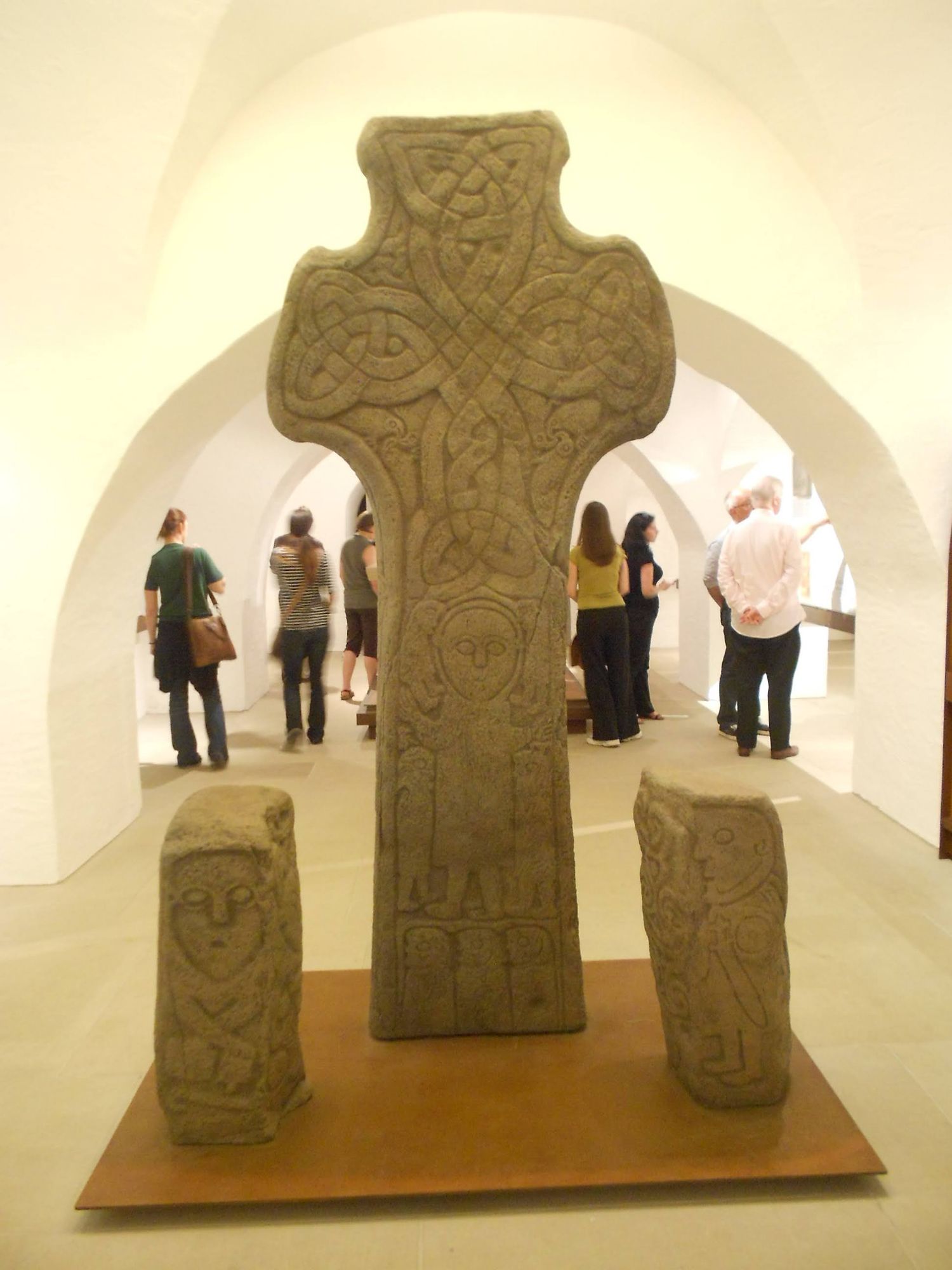
Echternach, Luxembourg 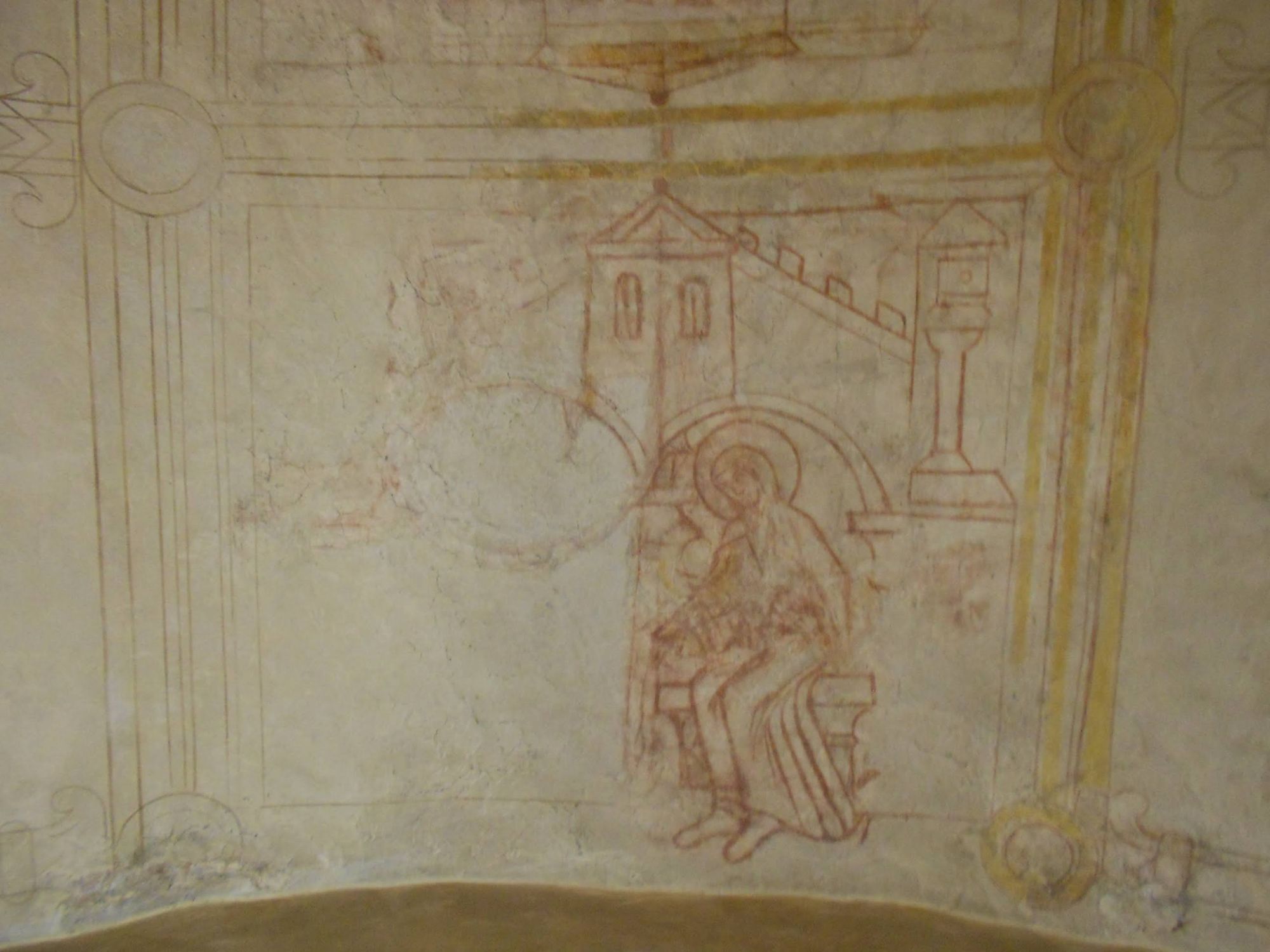
Echternach, Luxembourg 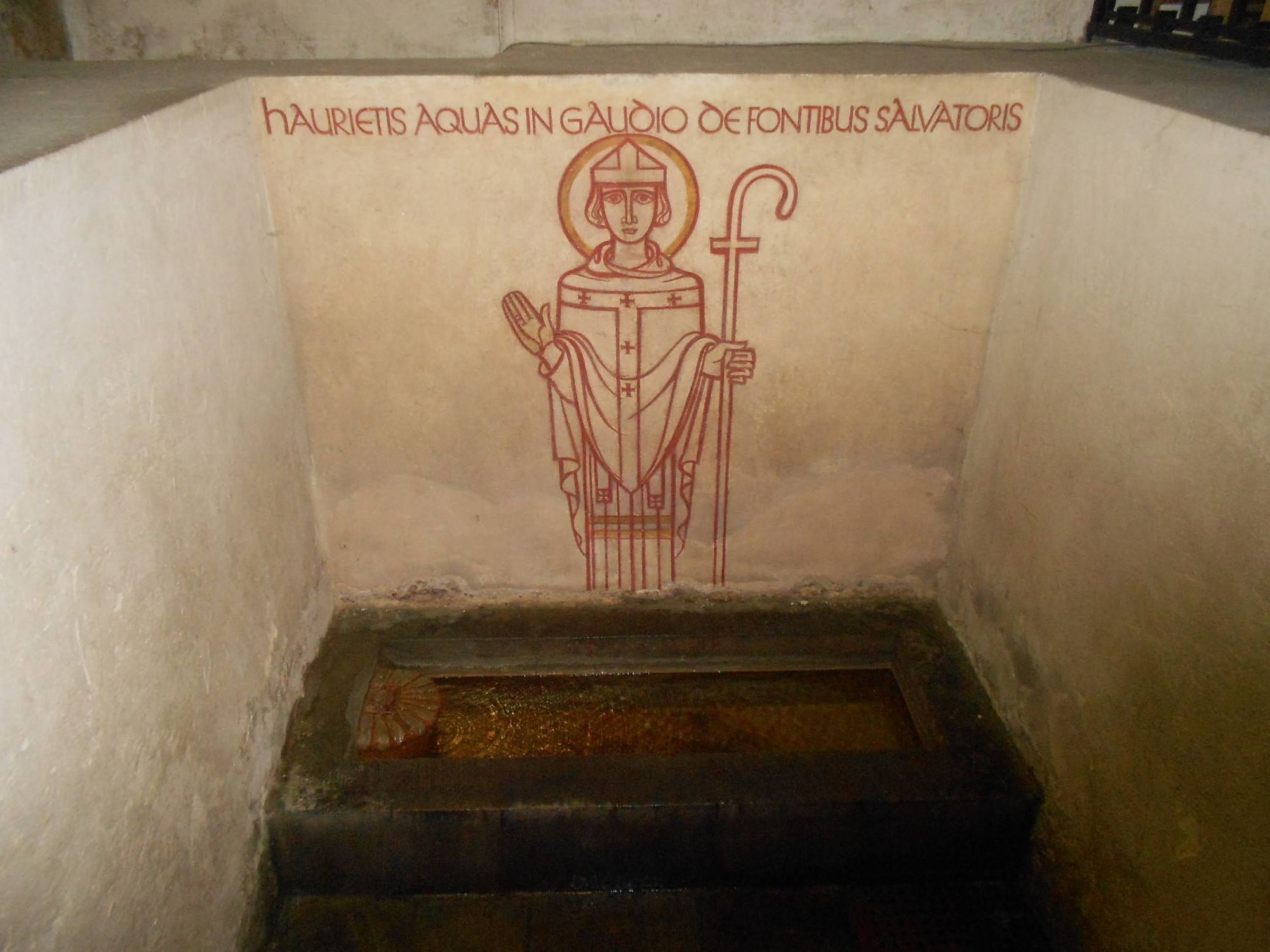
Echternach, Luxembourg 
Echternach, Luxembourg 
Echternach, Luxembourg 
Echternach, Luxembourg 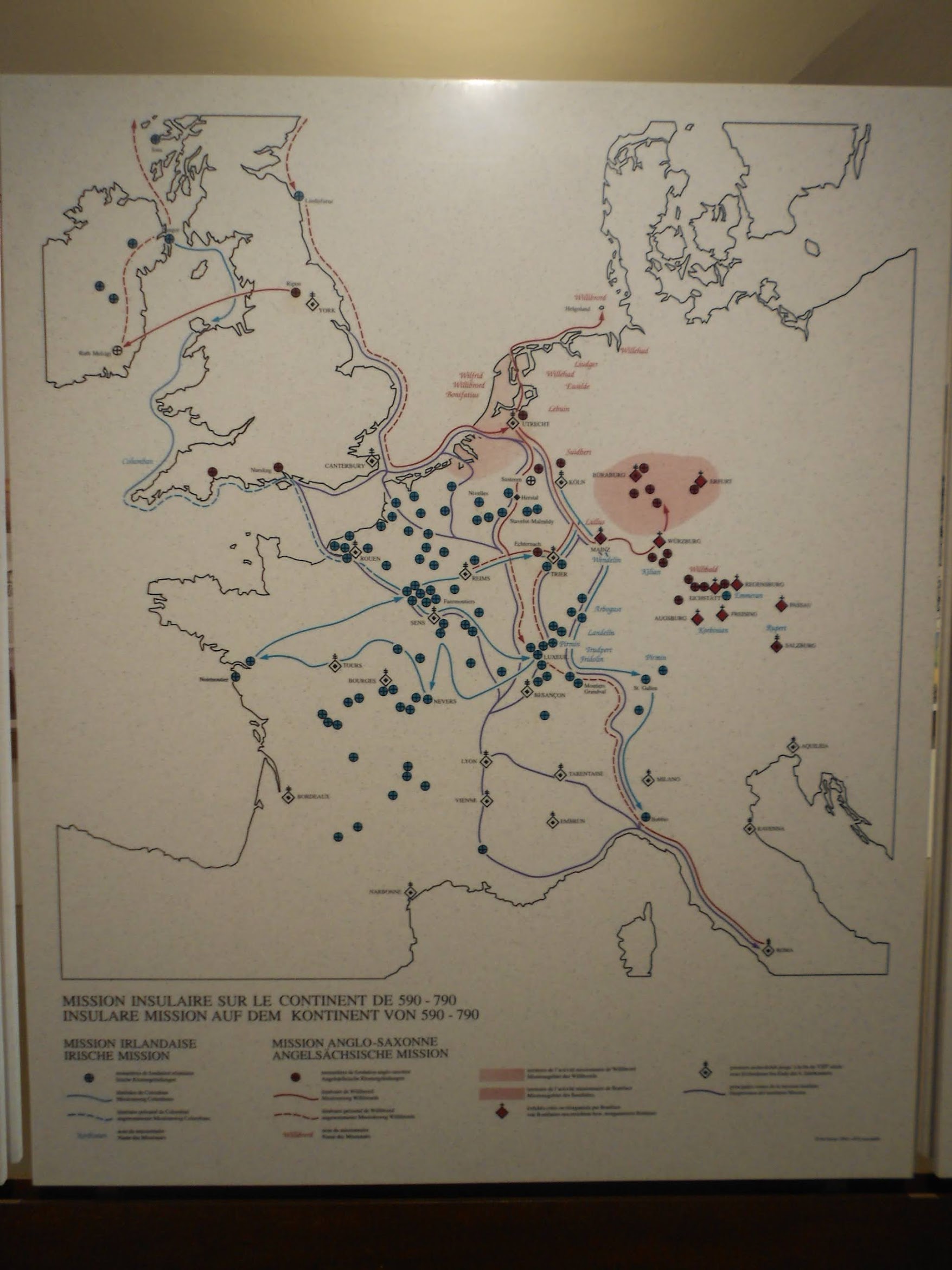
Echternach, Luxembourg 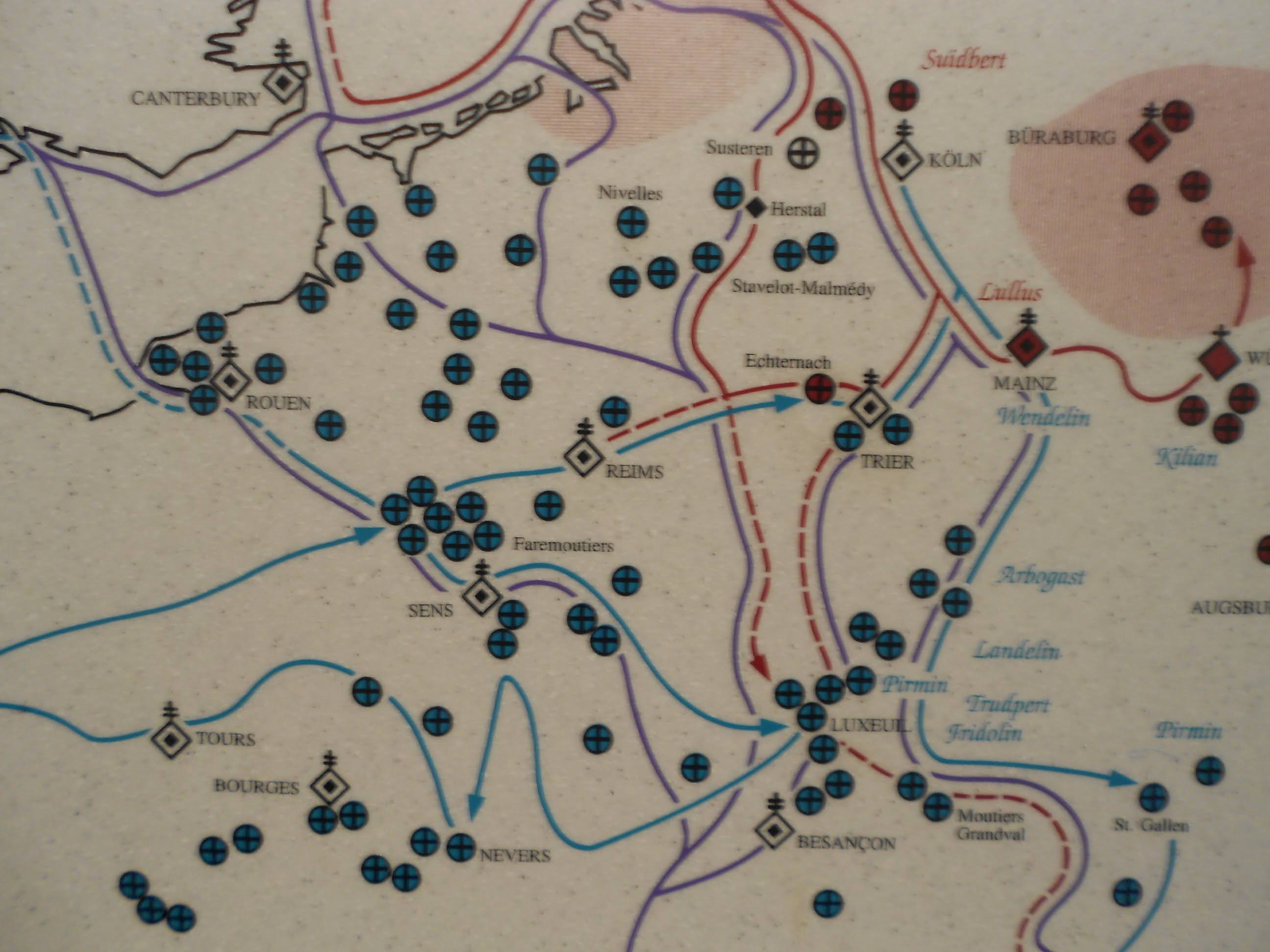
Echternach, Luxembourg 
Echternach, Luxembourg 
Utrecht, NL 
Cologne, Germany 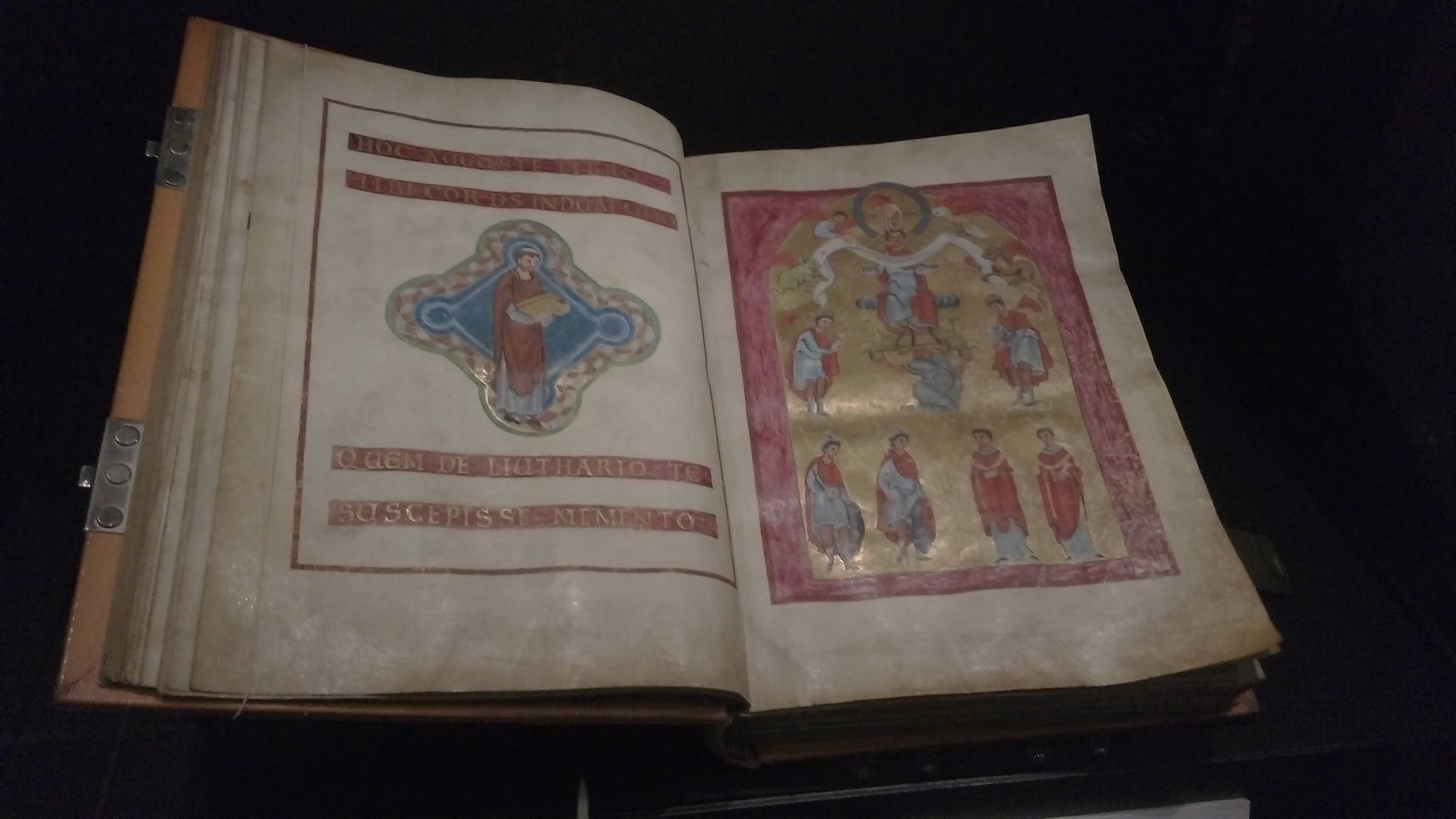
Aachen, Germany 
Aachen, Germany 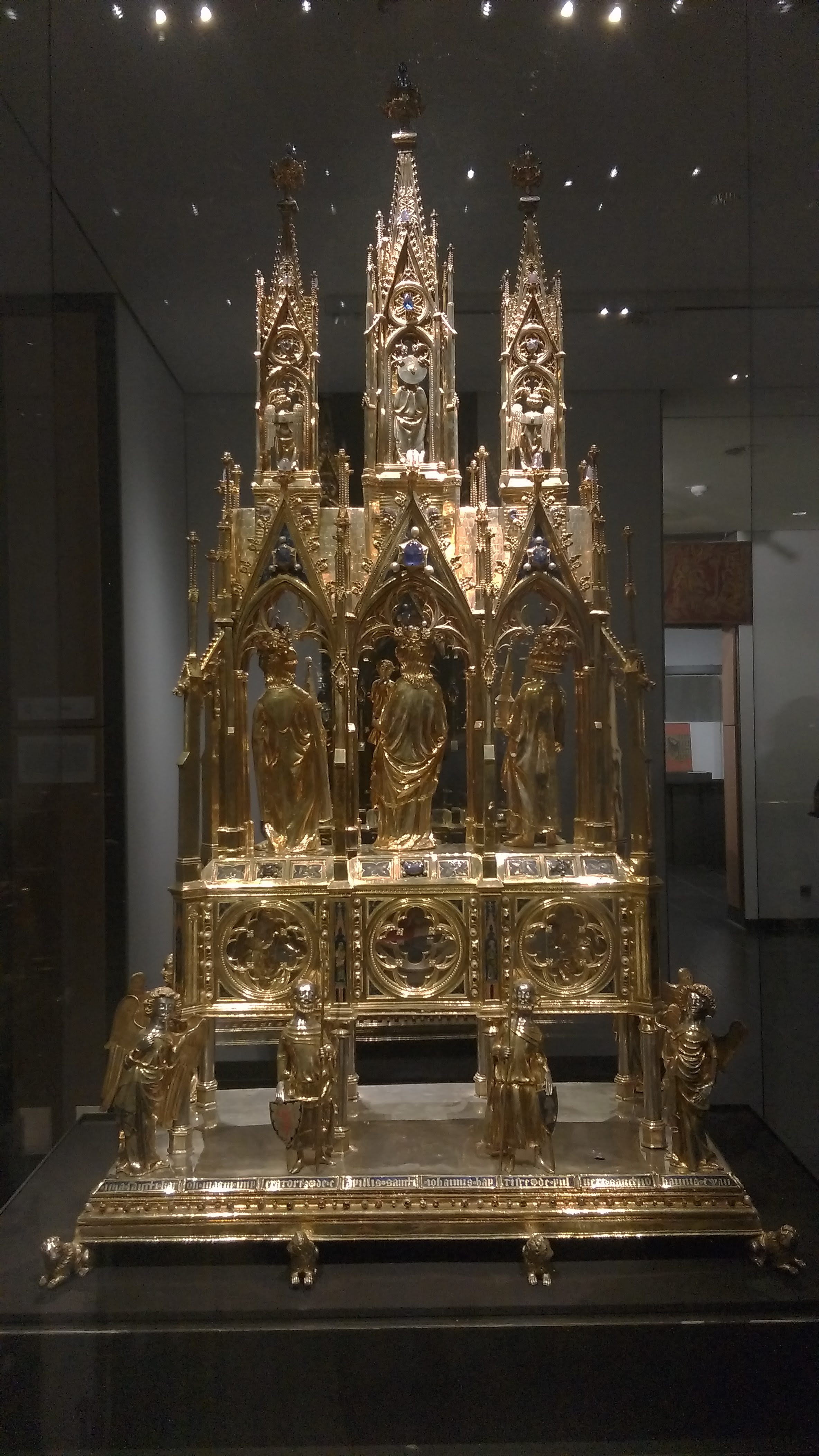
Aachen, Germany 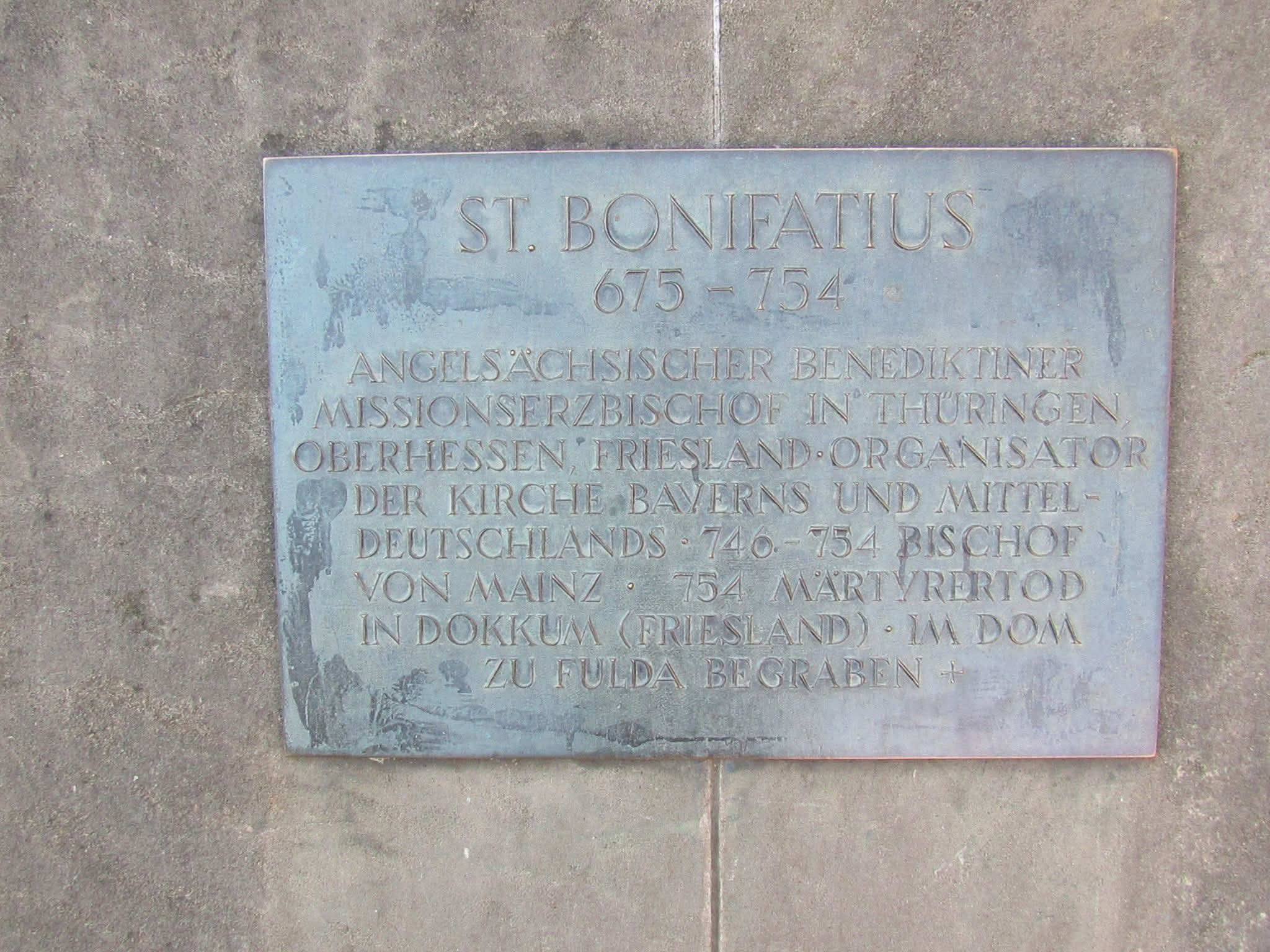
Mainz, Germany 
Mainz, Germany 
Prof Dr Ludger Körntgen giving a city tour to Dr Elaine Pereira Farrell and her husband 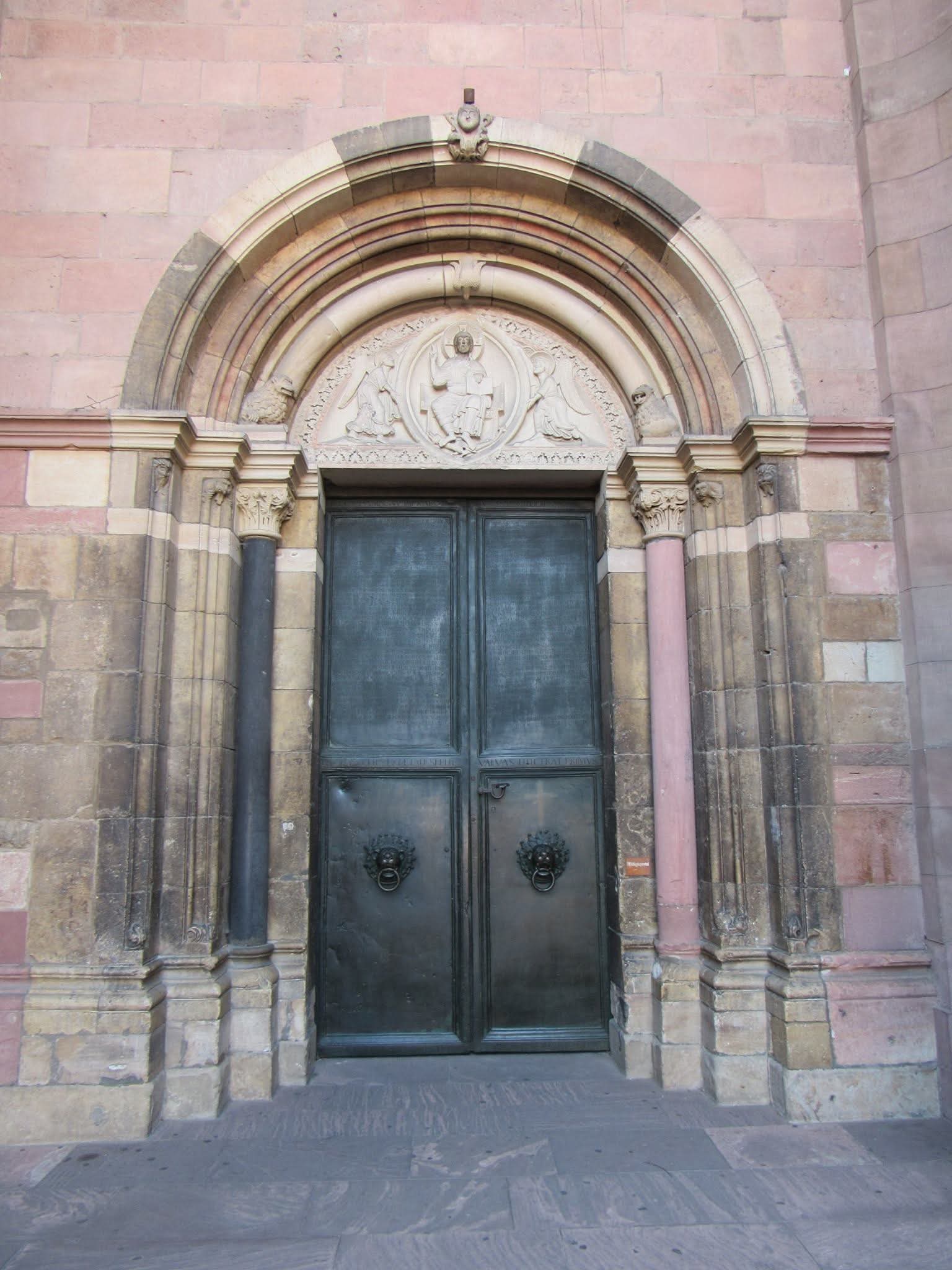
Mainz, Germany 
Mainz, Germany 
Mainz, Germany 
Mainz, Germany 
Mainz, Germany 
Mainz, Germany 
Mainz, Germany 
Mainz, Germany 
Notredame, Paris 
Notredame, Paris 
Notredame, Paris 
Notredame, Paris
 Medieval Penitential Literature