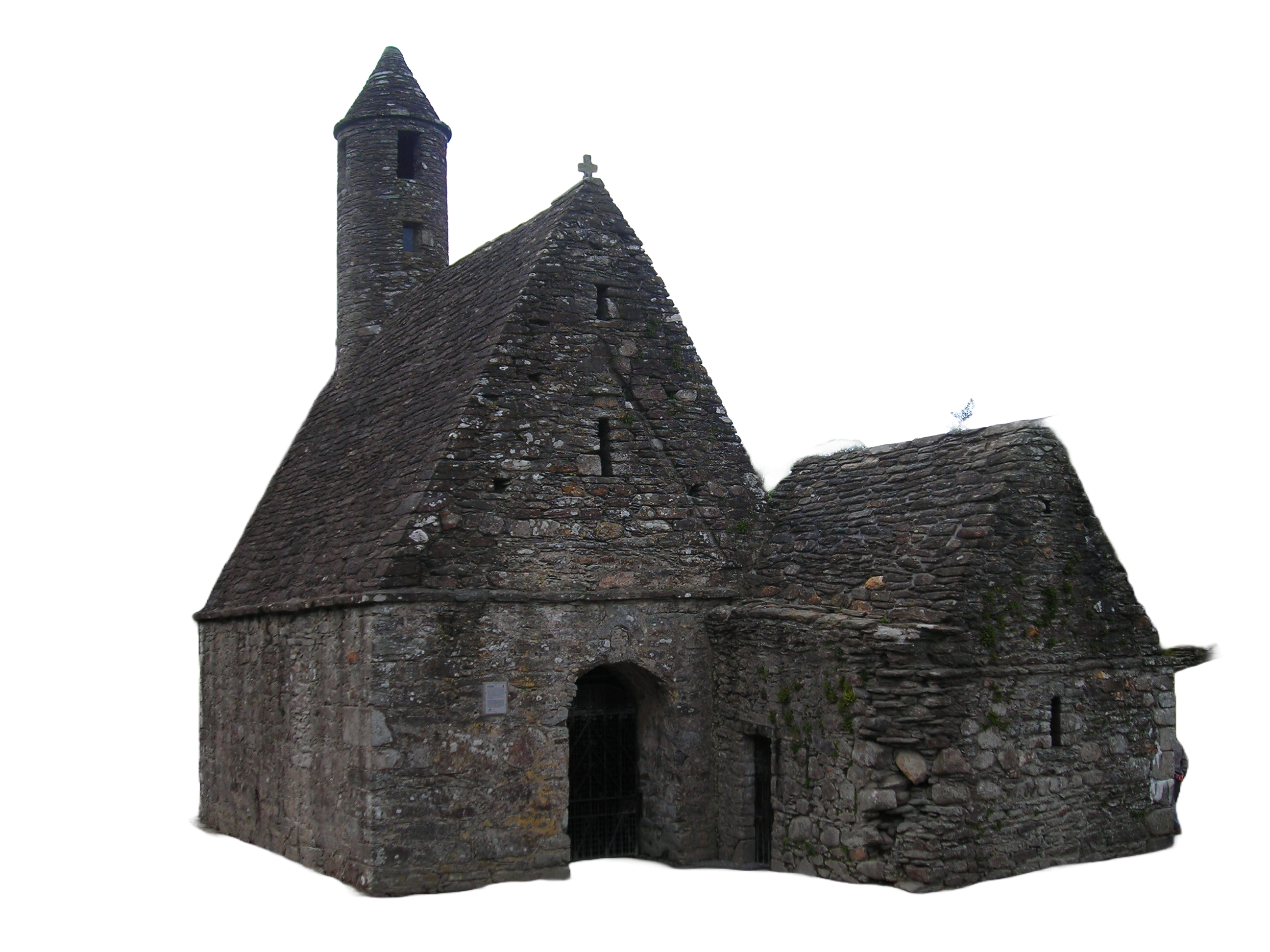
The Iberian penitentials form a distinctive strand of early medieval penance, shaped by the ecclesiastical structures of the Visigothic Church and its emphasis on episcopal authority and conciliar legislation. These texts are typically concise, structured, and legalistic, often incorporated into broader canonical collections rather than circulating independently. They reflect a model of penance focused on public reconciliation and the maintenance of ecclesiastical order, differing from the more individualized and monastic-oriented approaches found in Irish and Frankish penitentials. While rooted in Roman and conciliar traditions, the Iberian materials also show signs of interaction with Gallic and Insular influences, particularly through shared penitential themes and classifications of sin. Overall, they represent a localized yet interconnected approach to pastoral care and ecclesiastical discipline within the wider European penitential tradition.
From the 9th to the 11th century, the Iberian Peninsula developed a distinctive corpus of penitential texts that both inherited earlier traditions and reflected local concerns. Among these, the Penitencial de Silos stands as the earliest known Iberian penitential, offering practical guidance on sin and penance within a monastic context. Closely related is the Paenitentiale Albeldense, composed in the late 9th century, which expands on themes such as dietary discipline, magic, and pilgrimage. By the mid-11th century, the Paenitentiale Silense emerged as a revision of the earlier Silos text, indicating continued use and adaptation. The Paenitentiale Corbudense, likely from Galicia, incorporates Mozarabic influences and addresses death rituals and popular religious practices.
The Penitential of Martín Pérez (Libro de los pecados, early 13th century) represents the final phase of the Iberian penitential tradition, bridging the gap between earlier medieval handbooks and the emerging scholastic and confessional frameworks of the later Middle Ages. Composed in Castilian rather than Latin, and written by a cleric from the diocese of Astorga, this penitential is notable for its vernacular accessibility, its pastoral tone, and its systematic structure, marking a significant evolution from the more fragmentary or monastic texts of earlier centuries.
Penitencial de Silos
Paenitentiale Albeldense
Paenitentiale Silense
Paenitentiale Corbudense
Penitential of Martín Pérez
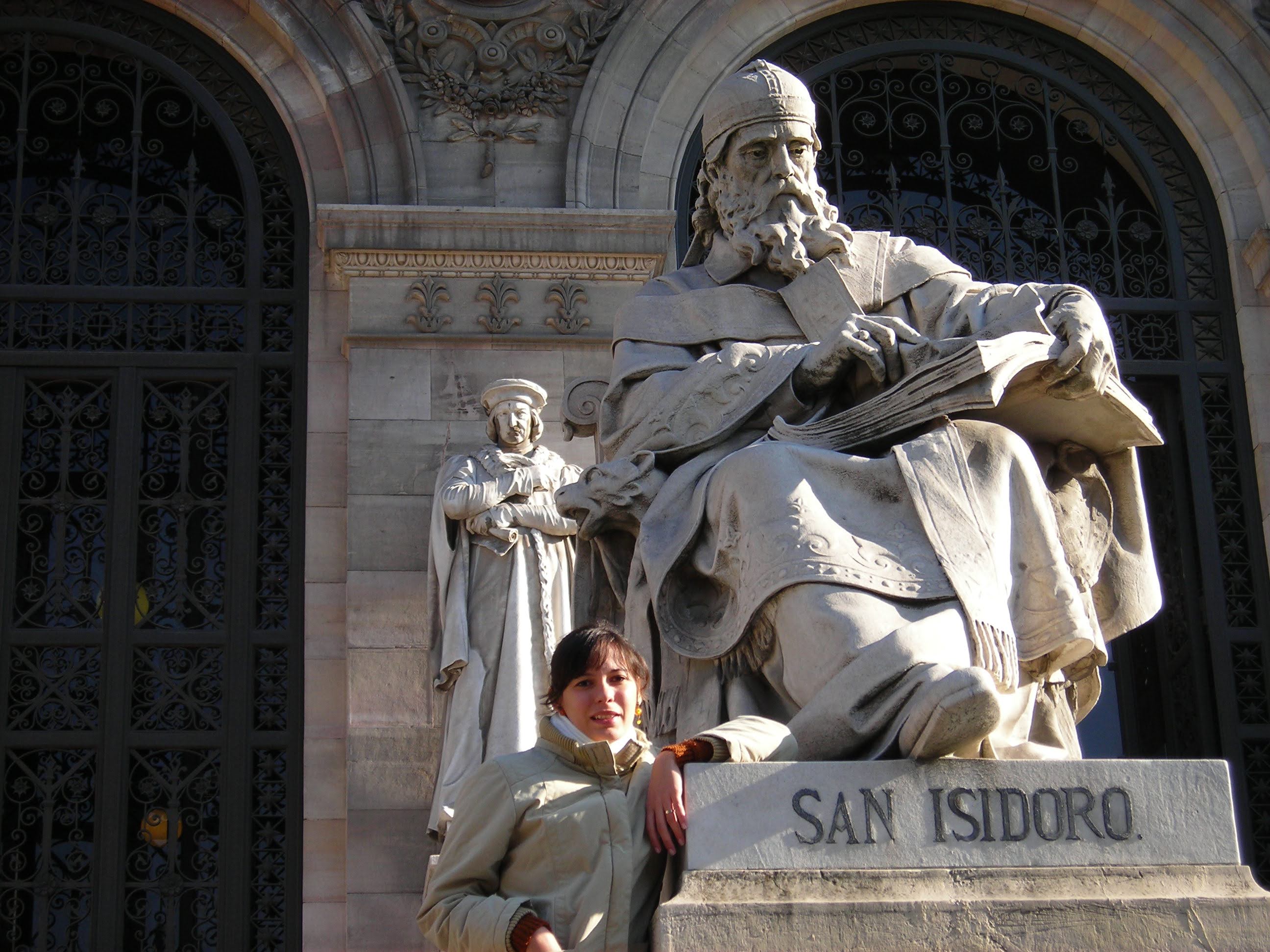
Madrid, Spain 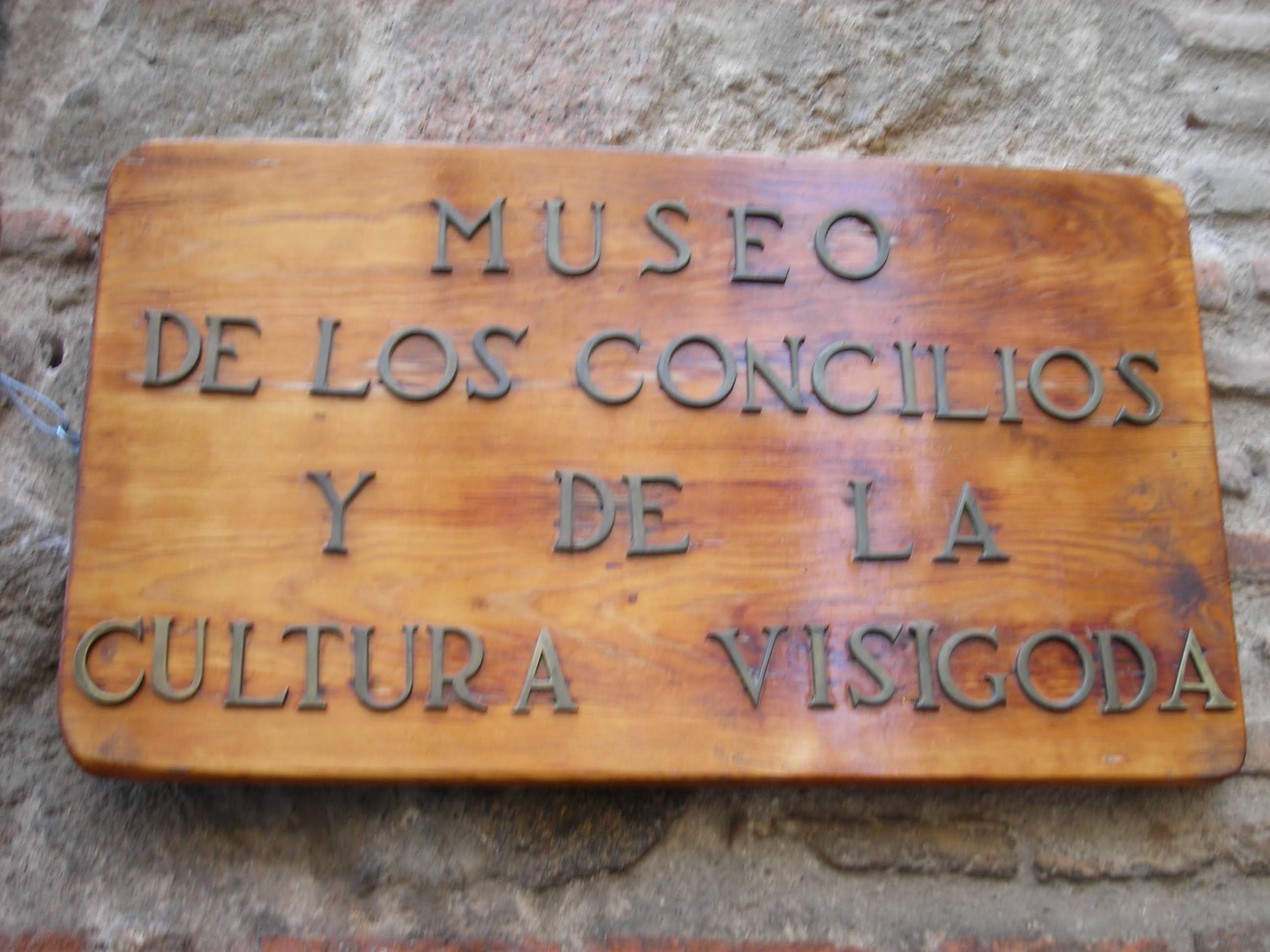
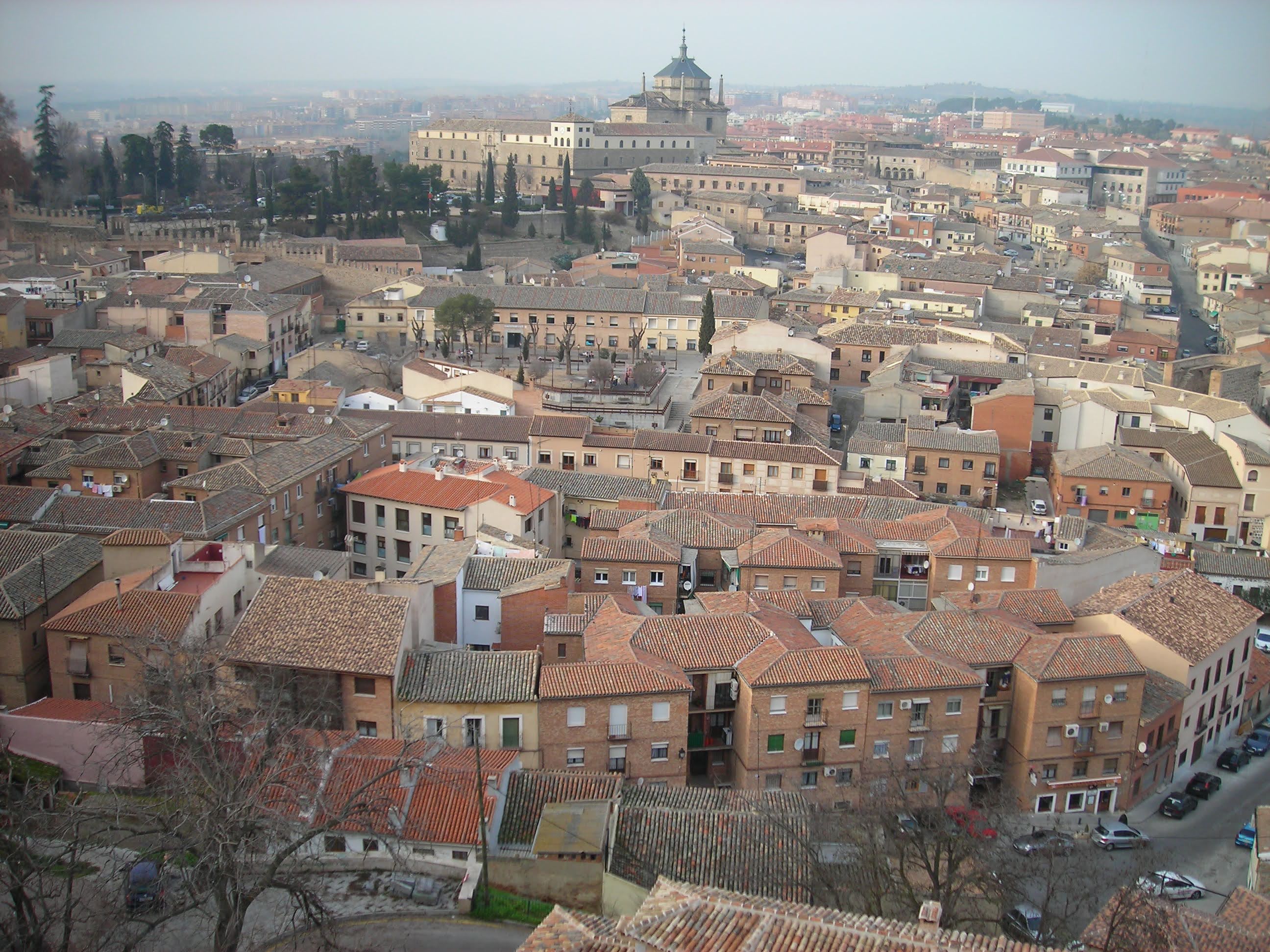
Toledo, Spain 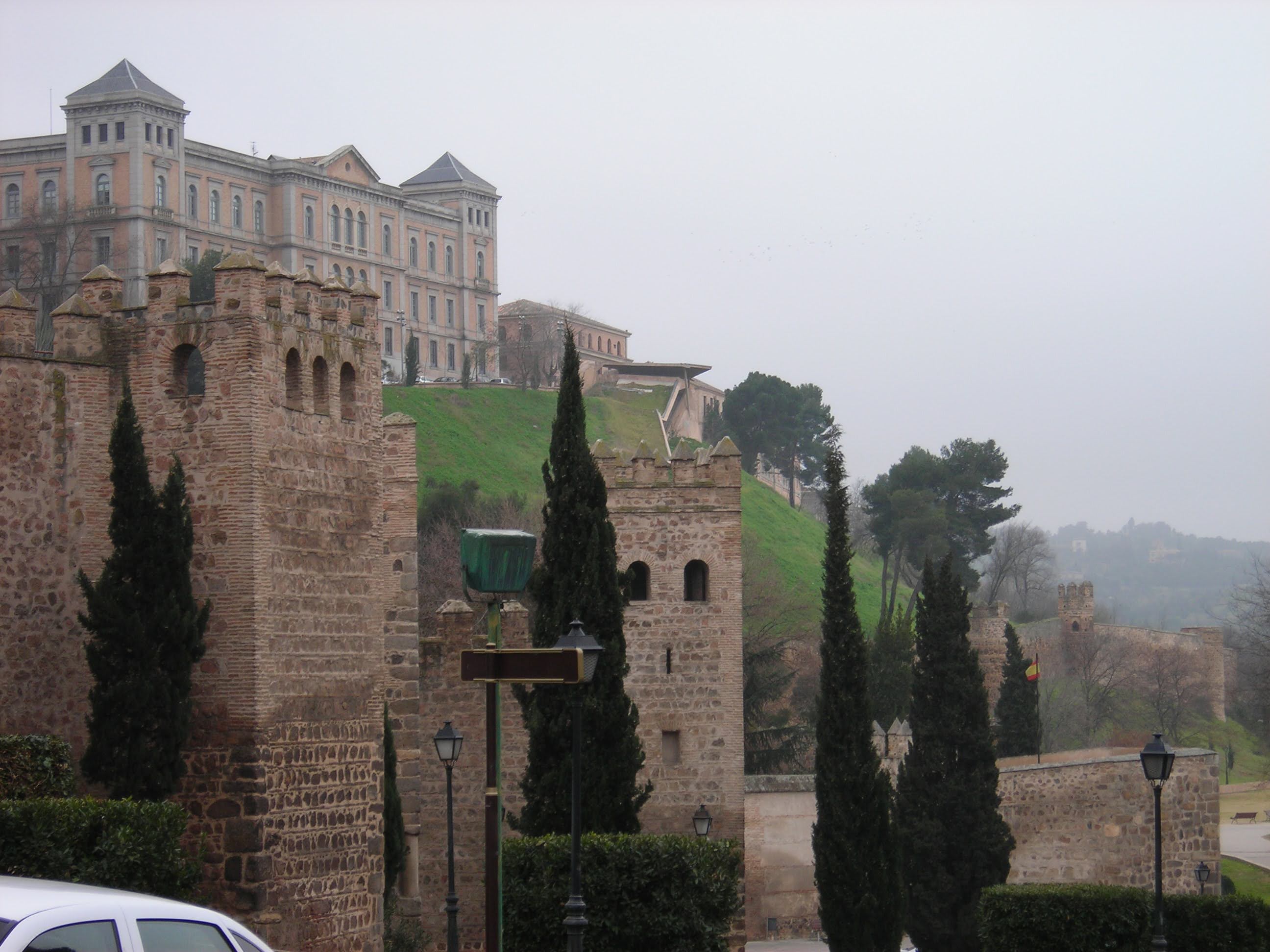
Toledo, Spain 
Toledo, Spain 
Toledo, Spain 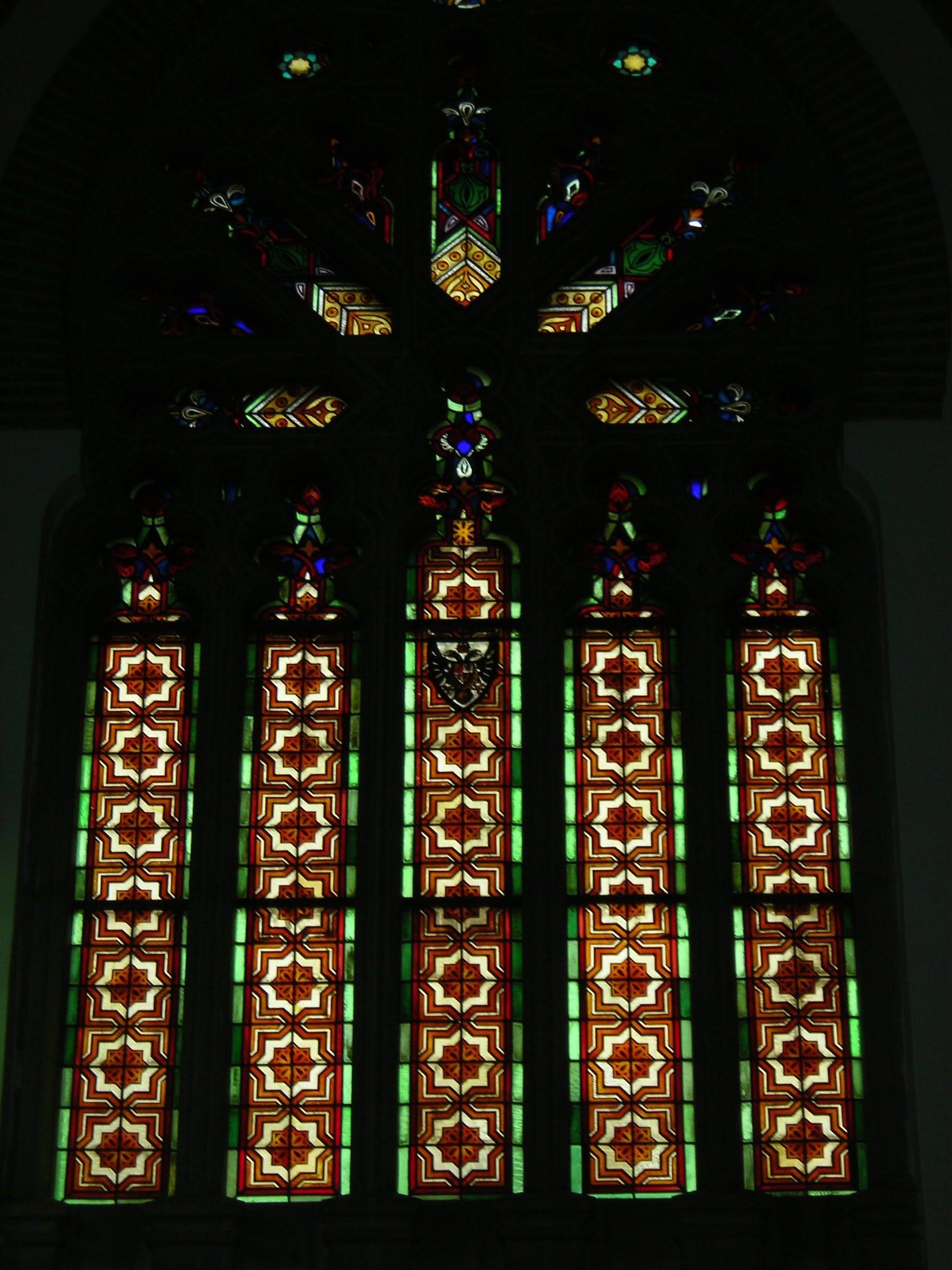
Toledo, Spain 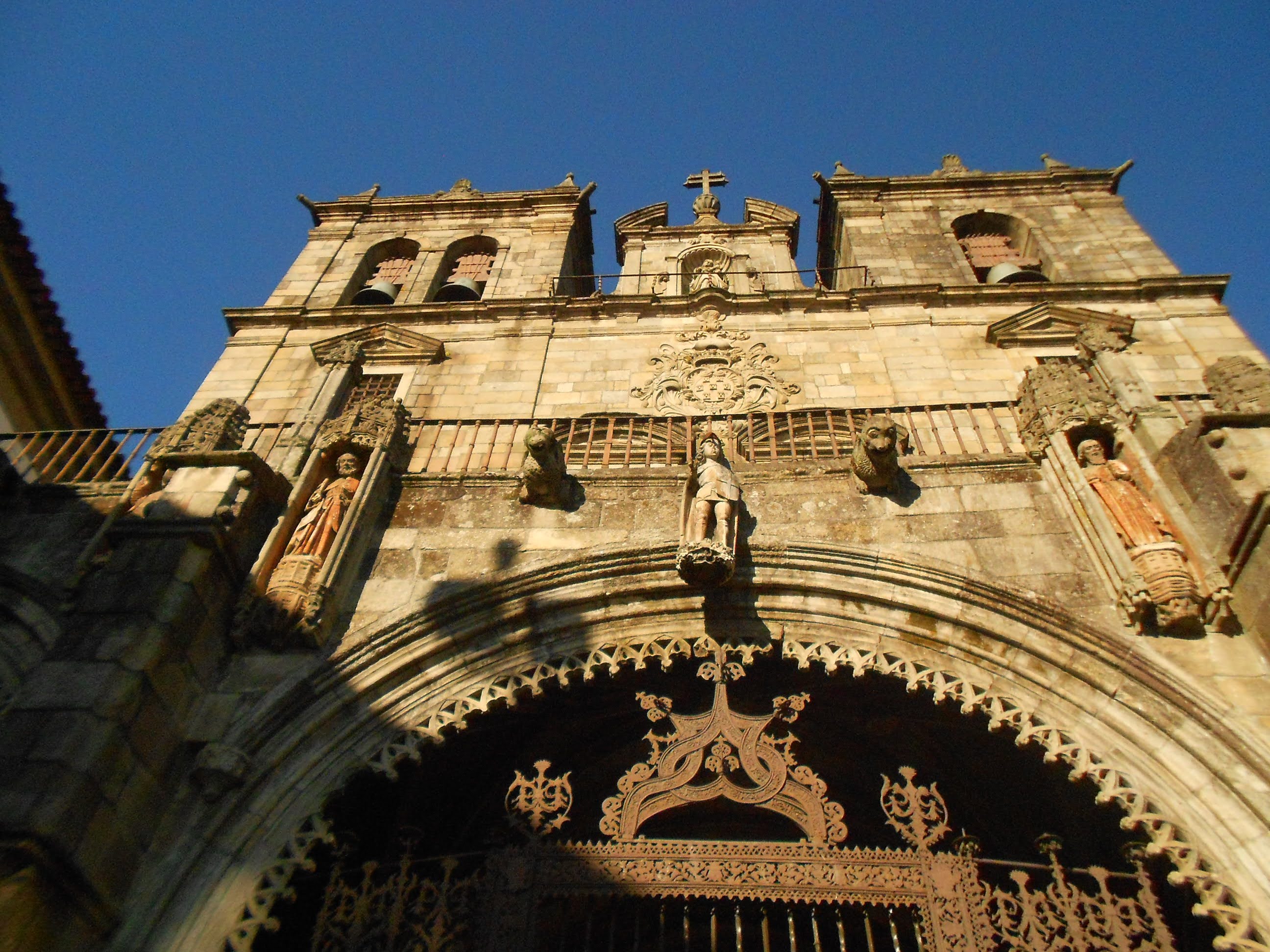
Spain 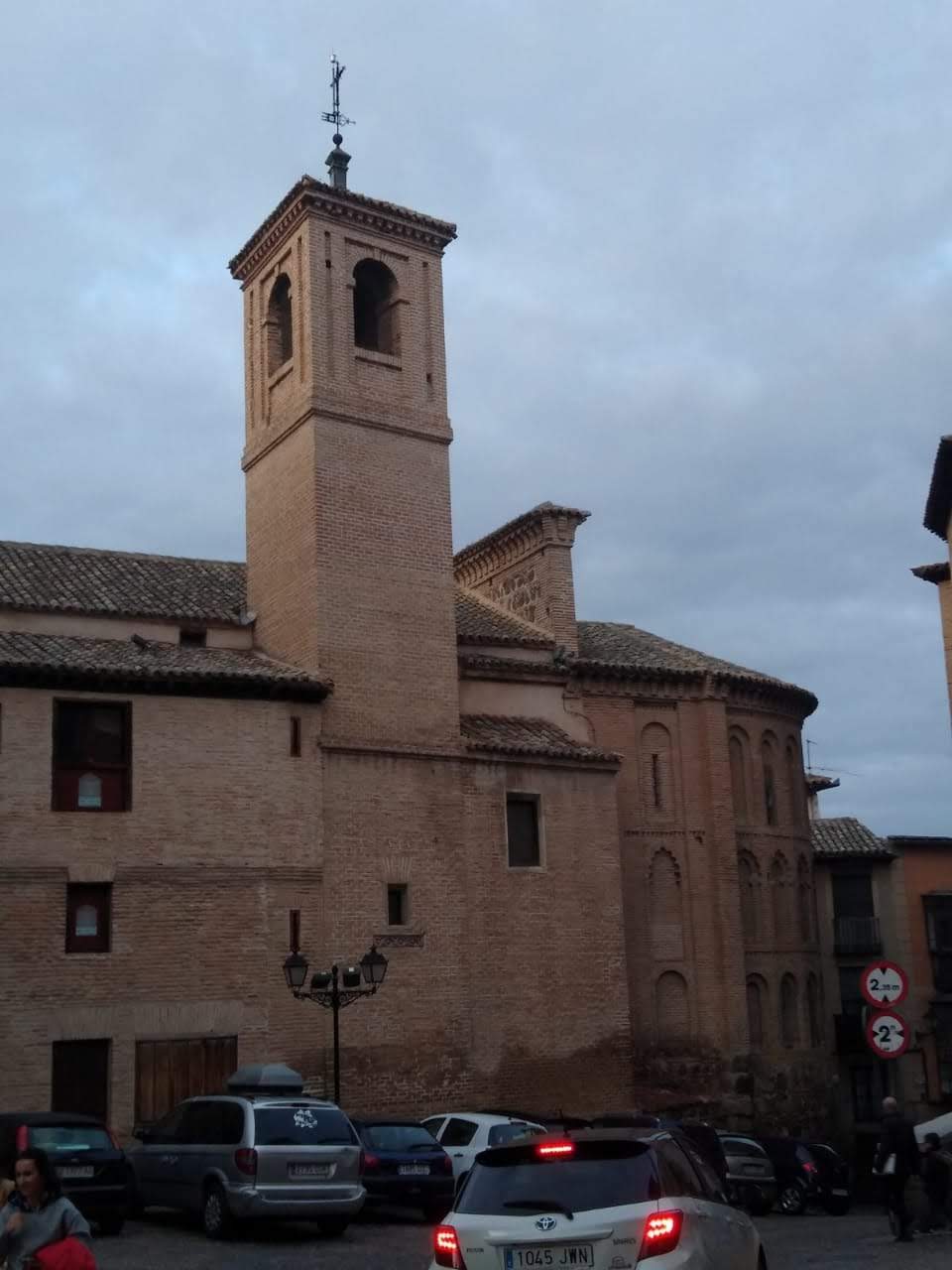
Spain 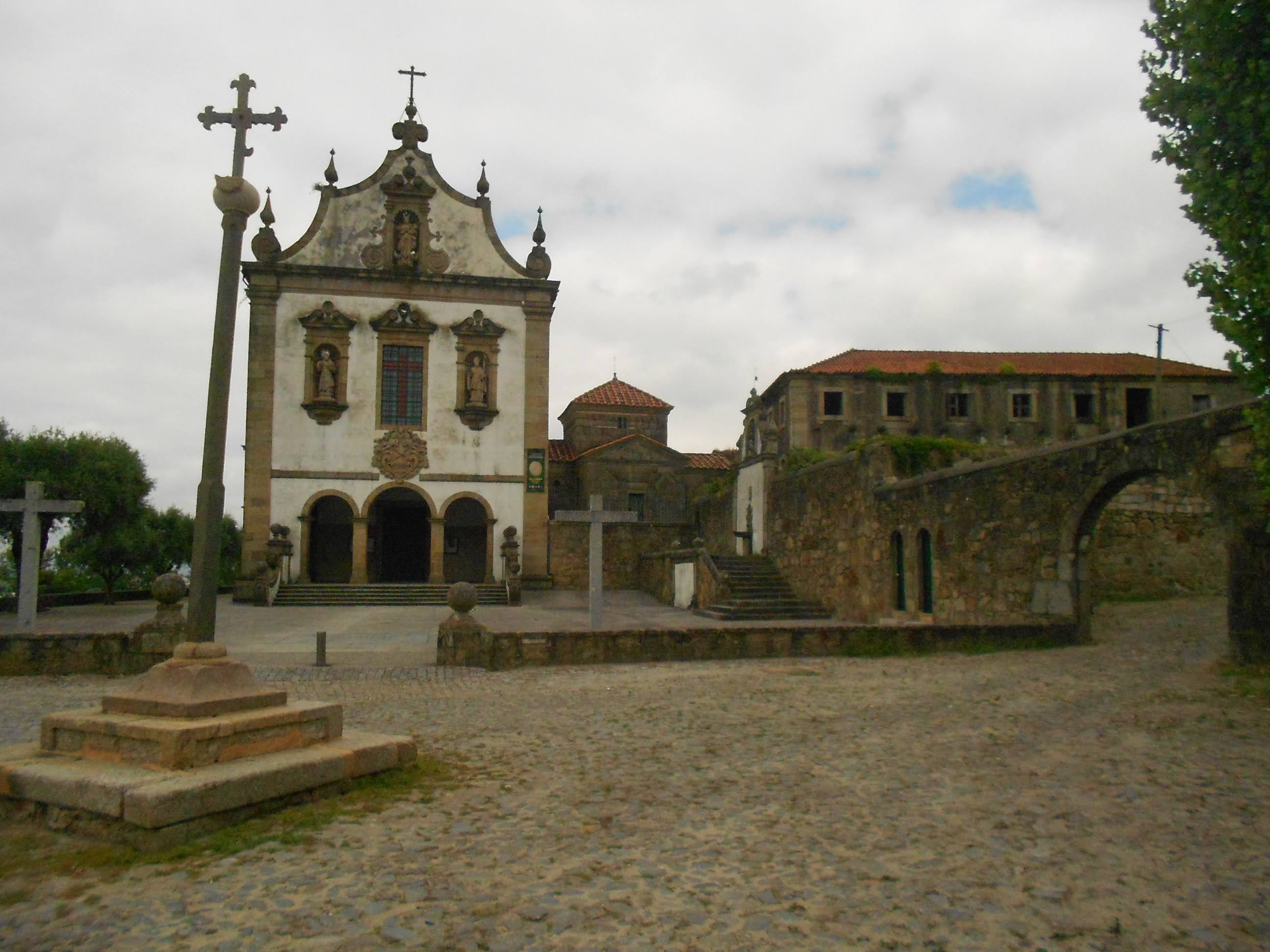
Braga, Portugal 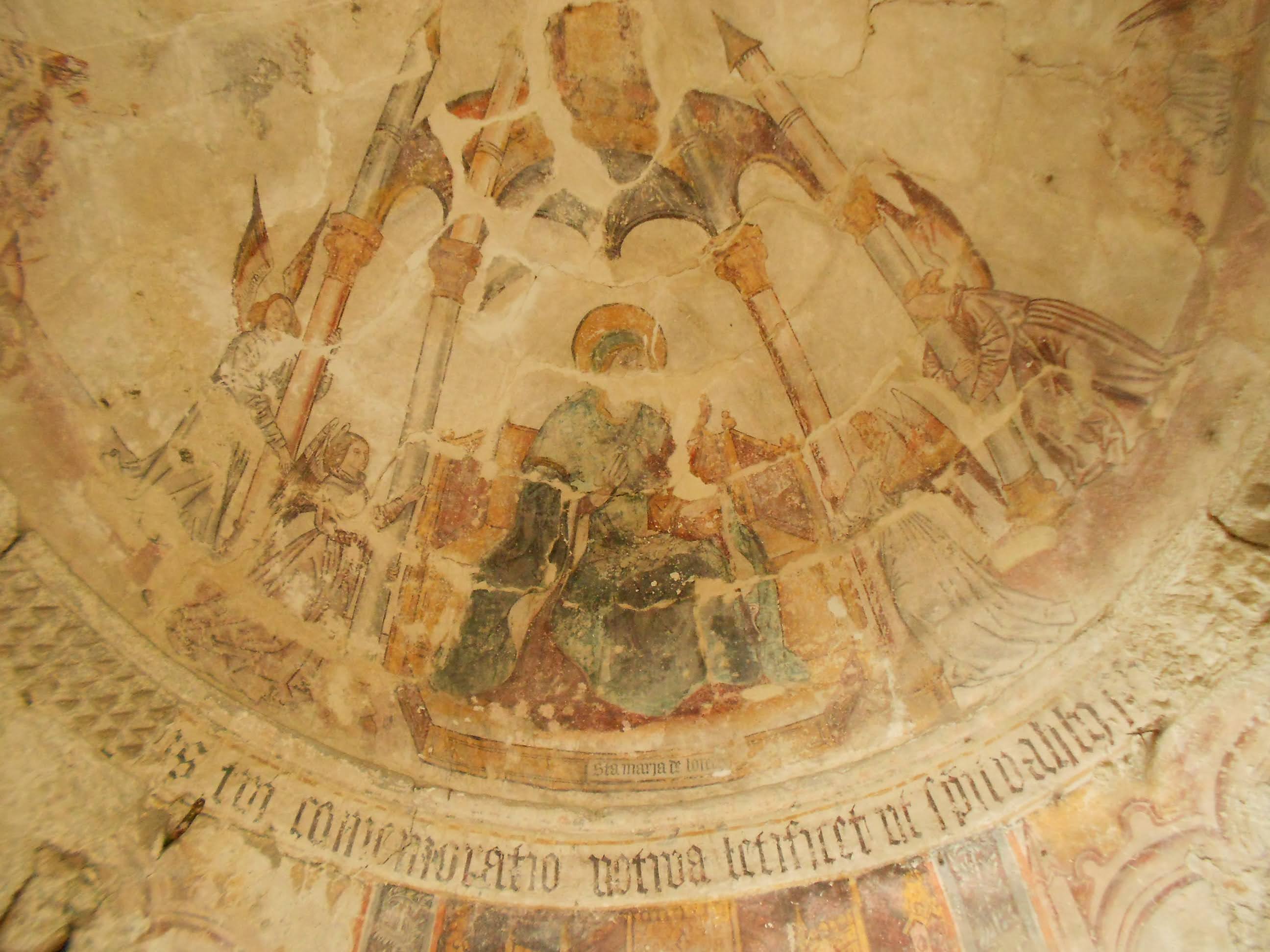
Braga, Portugal 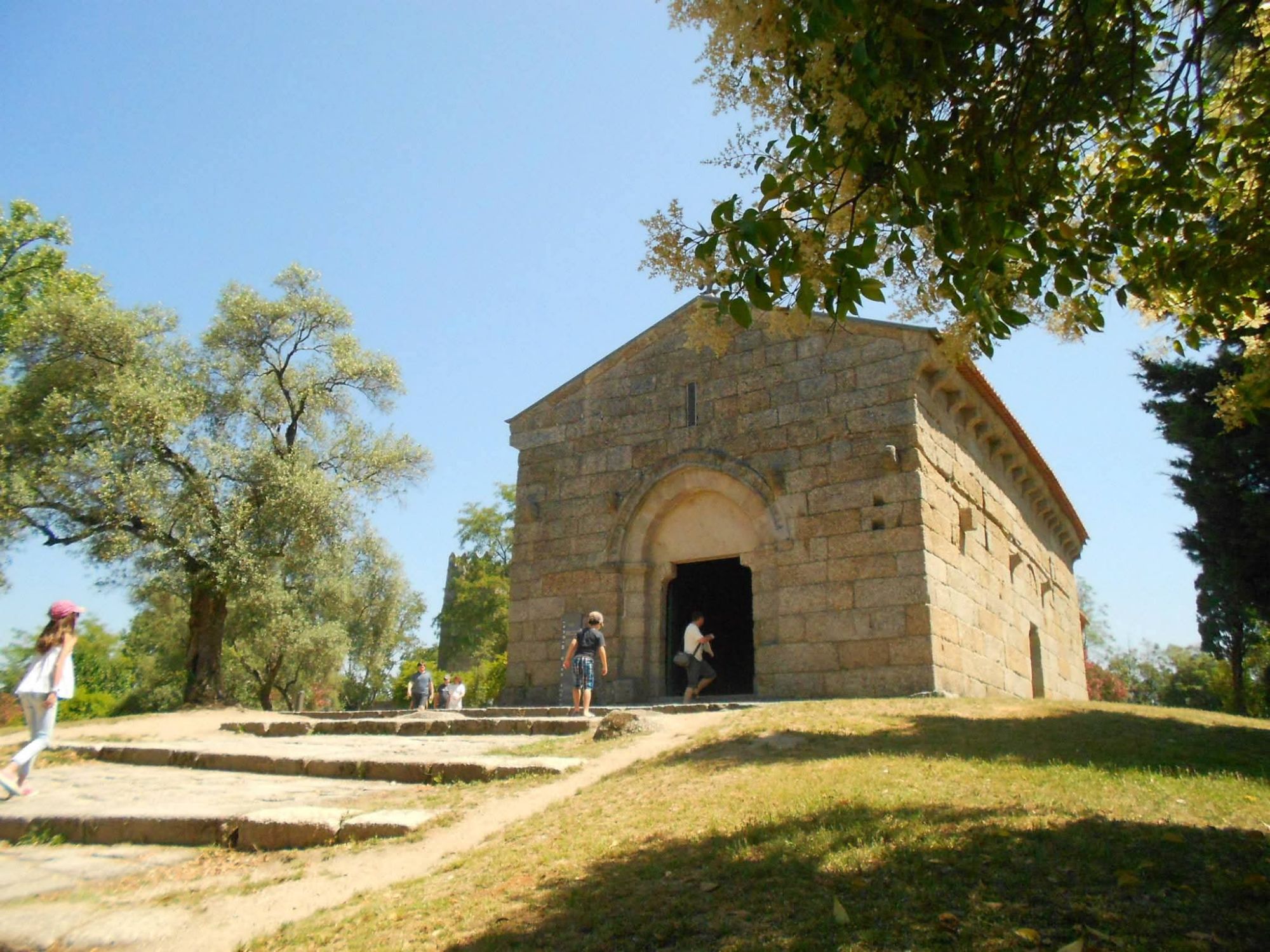
Portugal 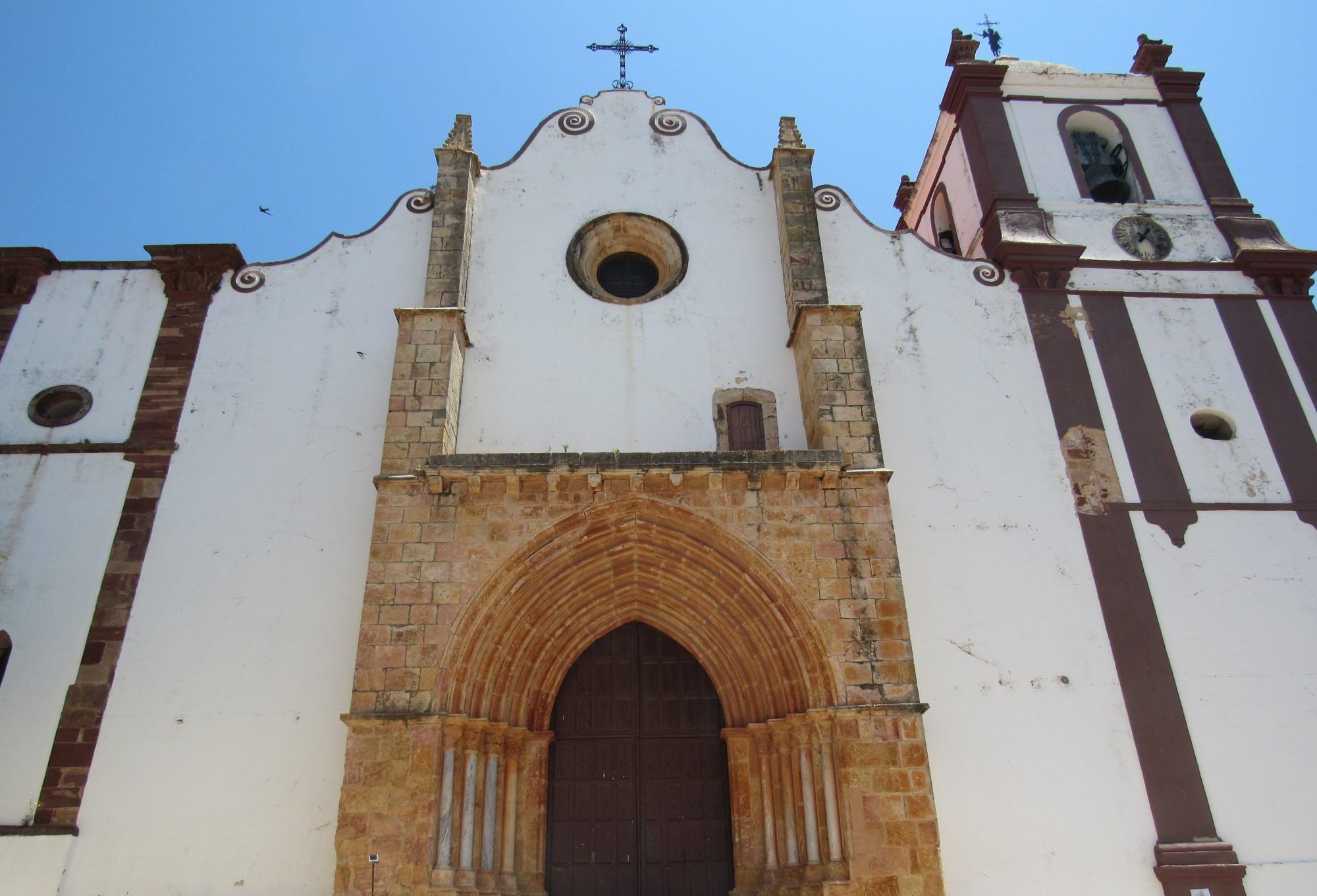
Portugal 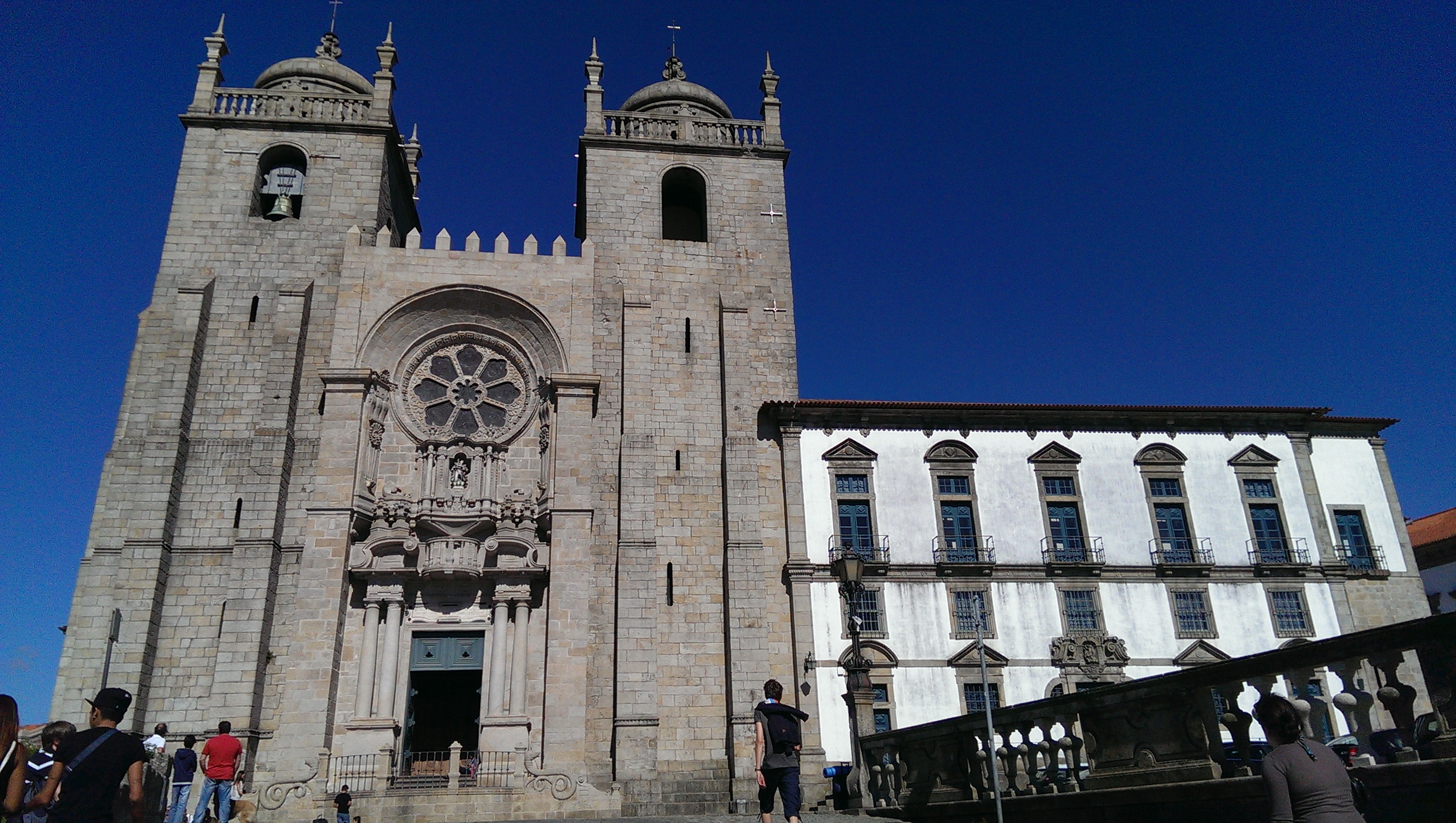
Portugal 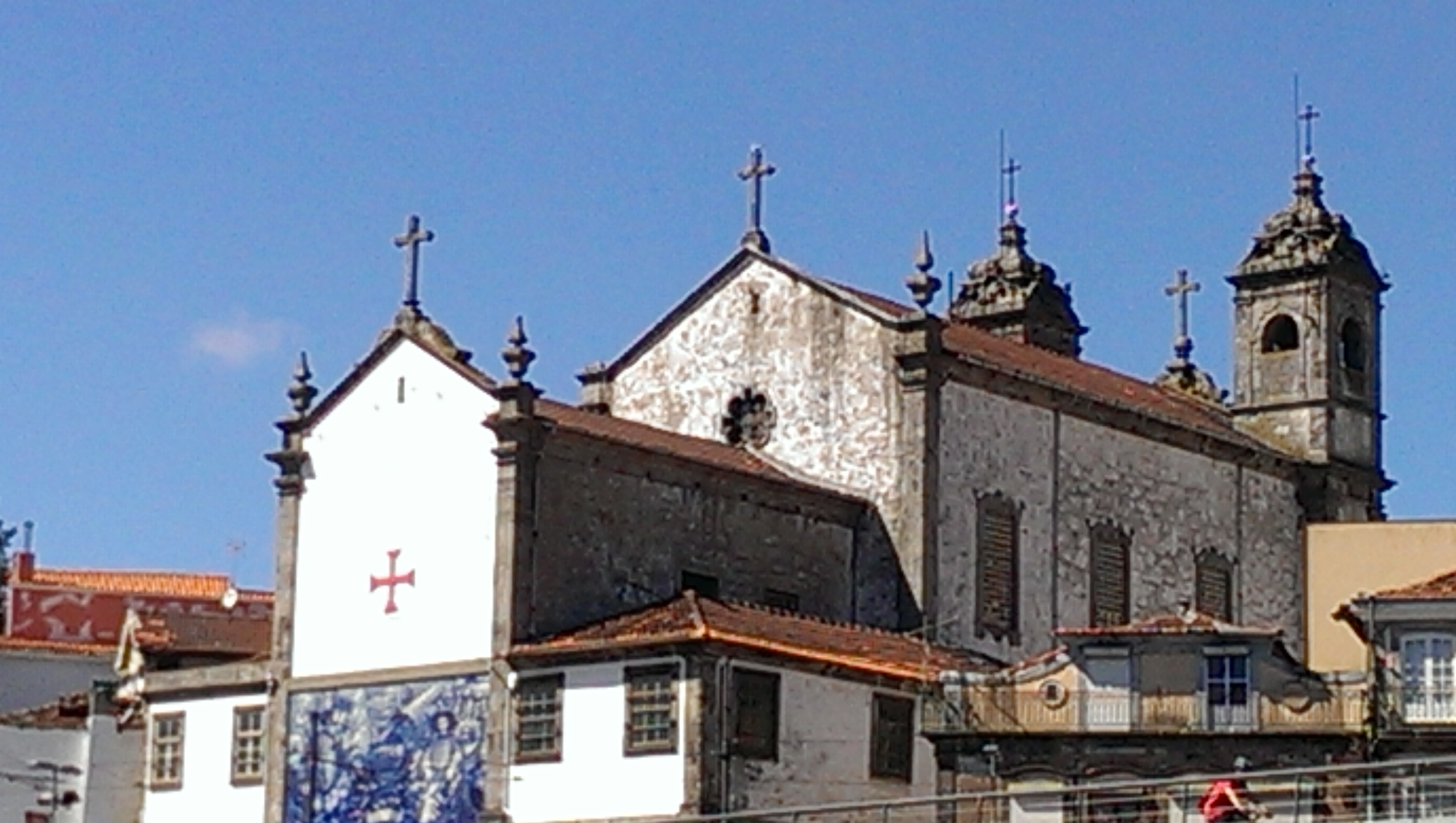
Portugal 
Portugal 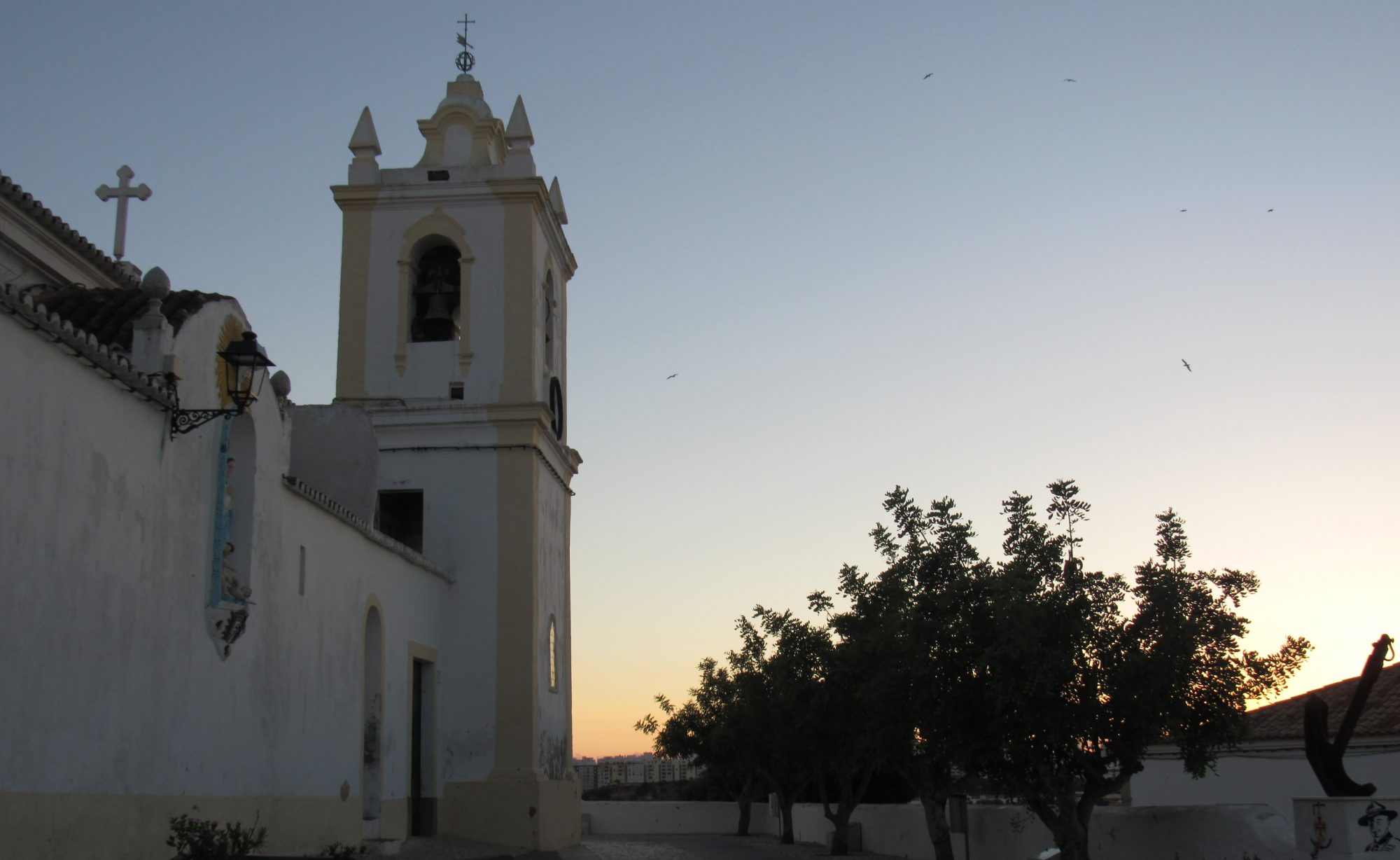
Portugal 
Portugal 
Portugal 
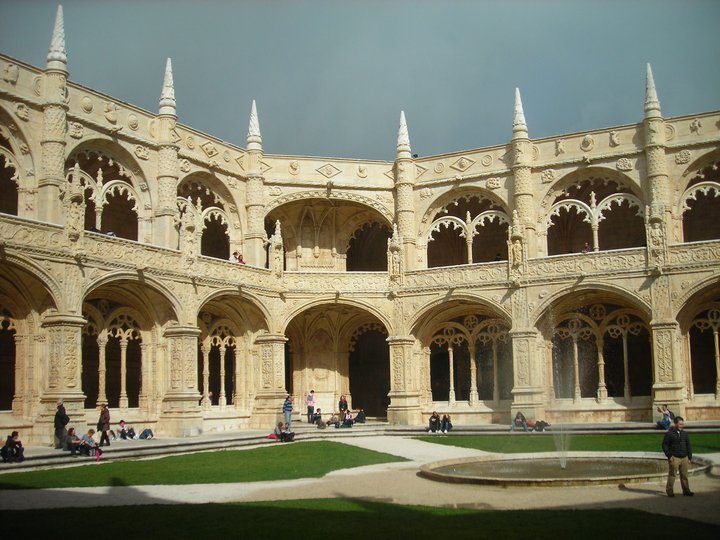
Mosteiro dos Jerônimos, Lisboa 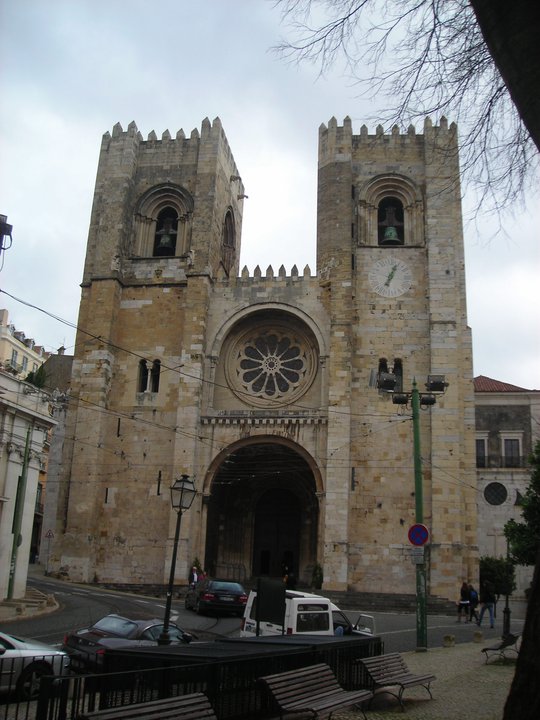
Portugal 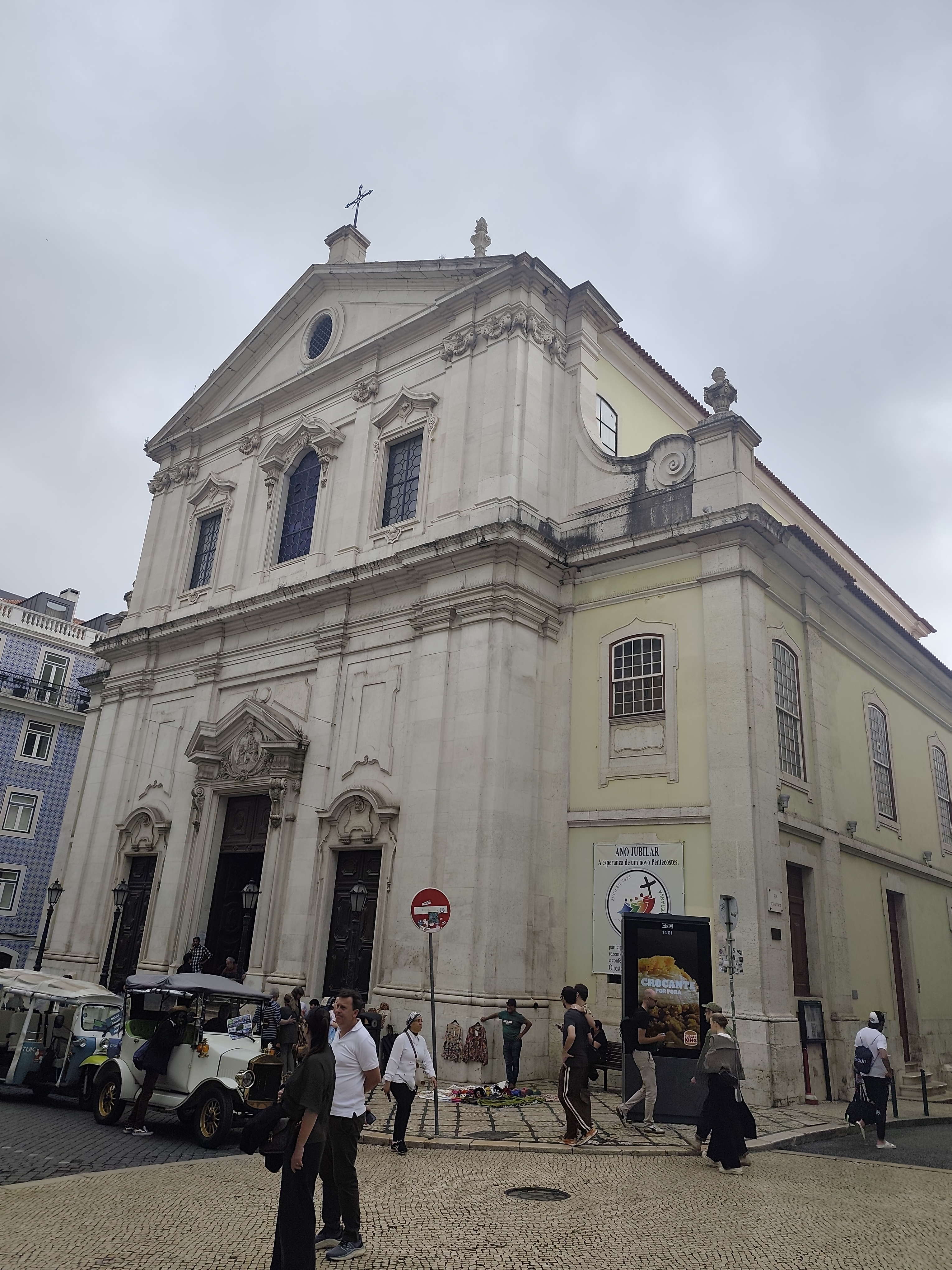
Basílica dos Mártires, Lisboa 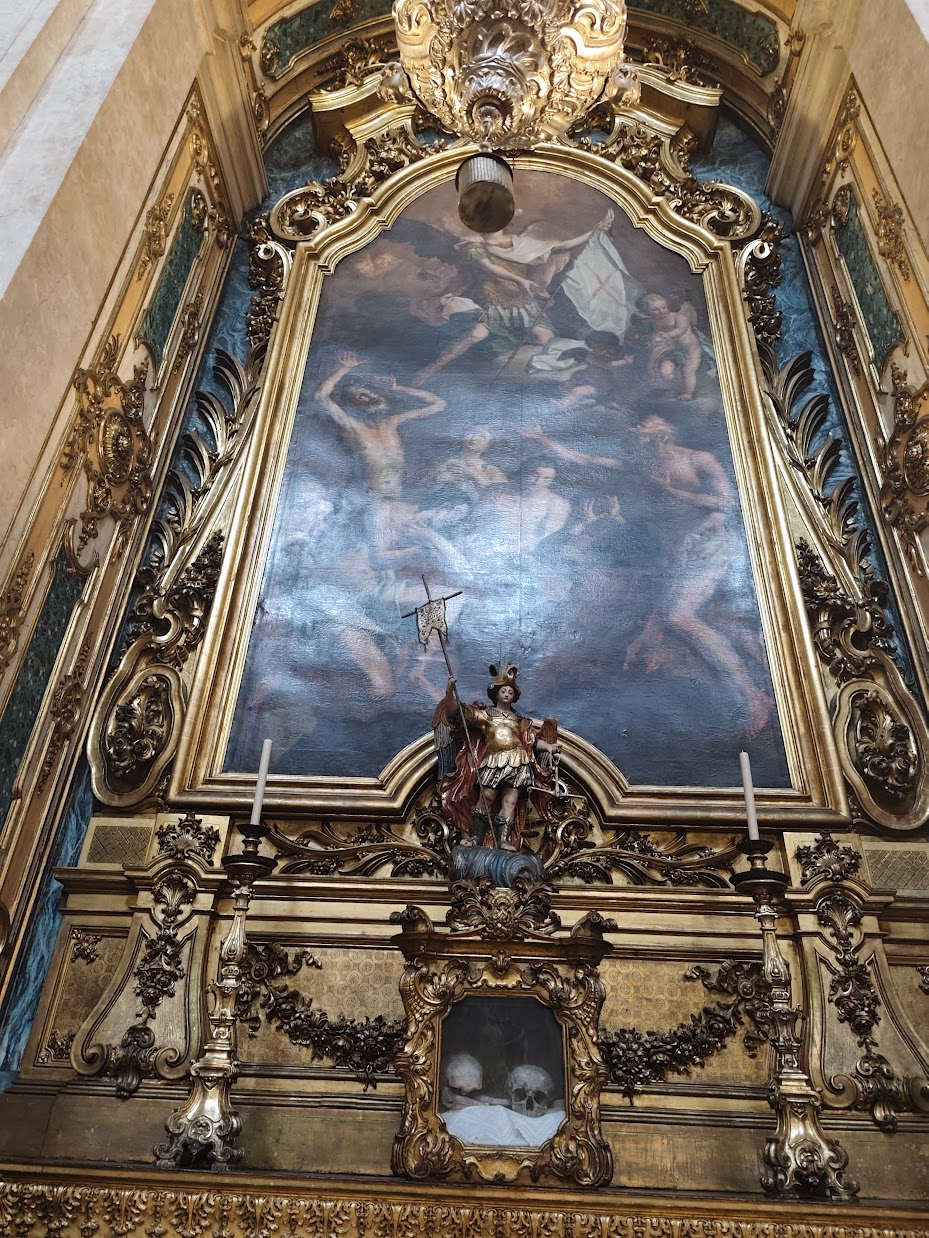
Basílica dos Mártires, Lisboa 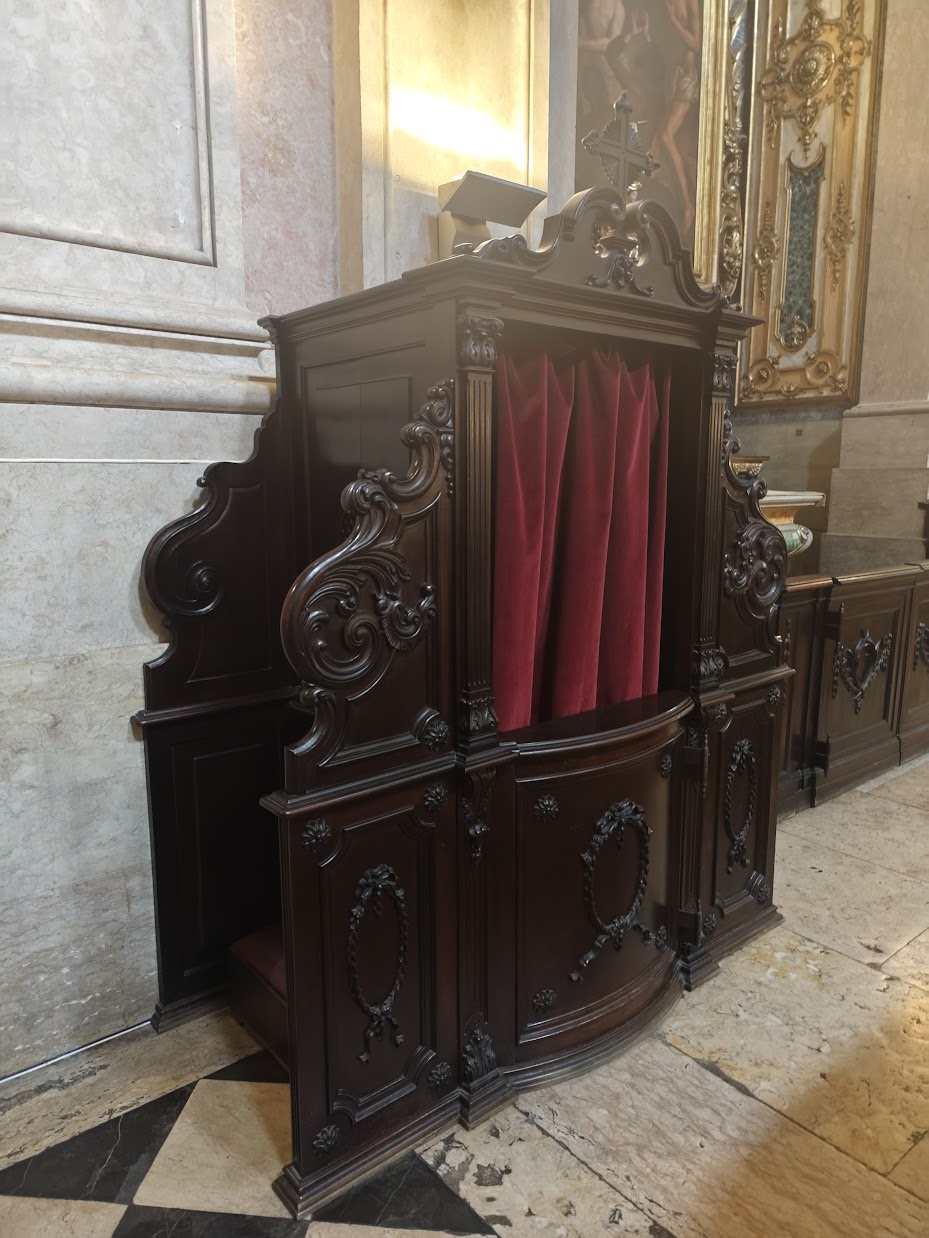
Basílica dos Mártires, Lisboa 
Basílica dos Mártires, Lisboa
 Medieval Penitential Literature