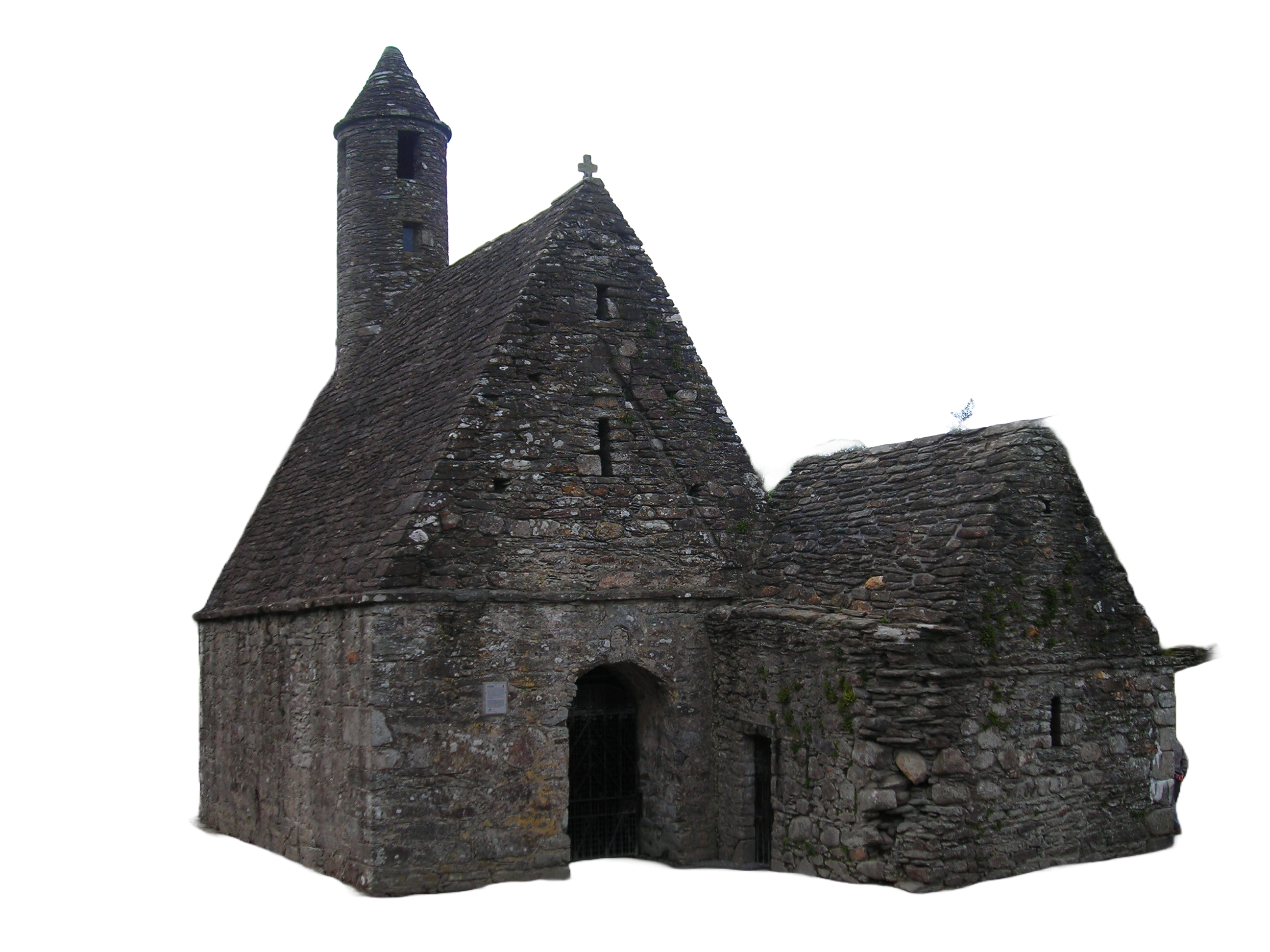
in the Eighth Century: Ireland and Northern Francia in Comparison
Northern Francia was an area of strong Irish influence and a centre of learning where normative texts were produced which were influenced by Irish texts. Frankish books meant to be used in confession and penance texts were inspired by earlier Irish ones, but were adjusted to attend the particular needs of the communities which they were produced to. This research intends to shed new light into the interactions between the Irish and Frankish societies in the eight-century and place the literature on penance, produced by these cultural milieus at the heart of the discussions about medieval culture. It will contribute to the understanding of the process of exchange of ideas between these societies and establish the relevance of Irish normative texts for the societies which adopted and re-issued them. Both the particularisms and the commonalities between the various documents produced in this period will be analysed in this research. It will also aim to identify the audiences of these texts and further investigate the impact of the expansion of Christianity on these communities through the expansion of pastoral care and the institutions of confession and penance.
Keywords: Penitentials, Canon-law, Francia, Ireland, Christian Conversion
Timeline: 01/10/2014 until 20/01/2019
Research Team:
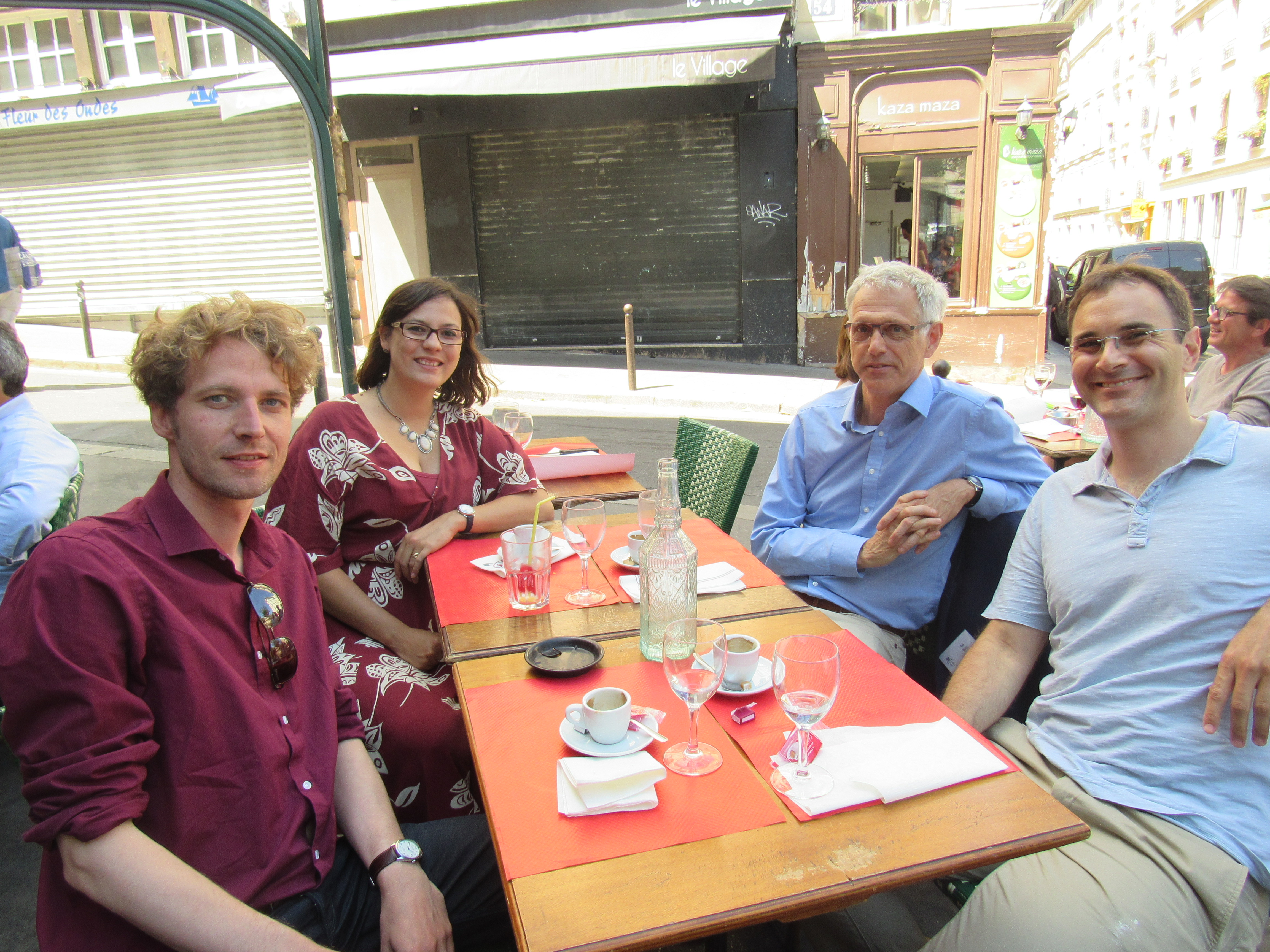
Dr Elaine Pereira Farrell, (University of Utrecht & University College Dublin), principal investigator (postdoctoral fellow) and project manager.
Dr Roy Flechner (UCD), mentor at Home Irish Institution
Dr Rob Meens (University of Utrecht), mentor at International Host Institution
Dr Carine van Rhijn, (University of Utrecht), external collaborator and advisor
Prof Ludger Körntgen (Johannes Gutenberg University of Mainz), external collaborator and advisor.
Institutional affiliation: This was a collaborative project between the Department of History and Art History of the University of Utrecht and the School of History of the University College Dublin.
Funding body: This project was awarded an ELEVATE: Irish Research Council (IRC) International Career Development Fellowship – co-funded by Marie Cure Actions.
Project ID: ELEVATEPD/2014/29



 Medieval Penitential Literature